
Last updated November 25, 2026







Free written scope consultation - allowances, timeline, and change-order rules on paper before a single trade is scheduled
Seasonal Construction Care for Redmond: Year-Round Homeowner’s Guide
The most common misconception about building in Redmond is that winter shuts everything down. It doesn’t. What winter actually shuts down is the luxury of guessing. Redmond sits in a climate where rain dominates from October into March, summers are short and suddenly very busy, and the shoulder seasons are the quiet, underrated window when skilled trades have room on the calendar. The homeowners who come out ahead aren’t the ones who wait for a sunny week in July. They’re the ones who understand which work is weather-sensitive and which is weather-agnostic, then schedule each accordingly. This guide breaks down Redmond’s construction calendar month by month, explains how to protect an active exterior project through the wet season, and shows you where sequencing decisions save you from tearing out finished work later.
Quick Answer
The best time of year to remodel in Redmond depends entirely on the scope. Interior work like kitchen and bathroom remodeling is smartest to schedule October through February, when contractor capacity opens up and weather outside can’t touch the job. Exterior work like roofing, siding, and painting is best placed between late May and early September, though a properly protected project can run through the wet months. The single biggest scheduling advantage in Redmond goes to homeowners who book exterior work in February, months before the spring rush, because they get earlier start dates and better crew availability for the same result.
Styles & brands we work with
- Kitchen remodeling
- Bathroom remodeling
- Home additions & ADU
- Roofing
- Windows & doors
- Driveway & pavers
- Fence
Table of Contents
- Redmond’s Construction Calendar, Month by Month
- What’s Weather-Sensitive vs. Weather-Agnostic
- Why Interior Remodels Belong in the Cool Months
- Protecting an Active Exterior Project During the Wet Season
- Seasonal Material Behavior: Decking, Concrete, and Cure Timing
- The Sequencing Logic Most Homeowners Miss
- How to Book Work at the Right Time
Redmond’s Construction Calendar, Month by Month
Redmond’s year splits into three practical construction seasons, not four. Once you understand which months belong to which season, planning a remodel becomes far less about luck and far more about timing.
October through March (wet season). This is the moisture-heavy stretch. Rain is frequent, drying is slow, and exterior work needs protection. But it’s also the golden window for interior projects, because trades who are slammed in summer suddenly have room. Kitchens, bathrooms, basements, flooring, and interior painting all move efficiently in this stretch.
April through mid-June (shoulder season). This is the sweet spot many homeowners overlook. Rain tapers, temperatures are moderate, and demand hasn’t fully spiked. Exterior painting, siding, roof replacement, and window installation can proceed comfortably. The trick is that contractor calendars start filling by mid-spring, so the shoulders reward people who booked earlier.
Late June through September (dry, high-demand season). This is when everyone wants work done. Roofs, decks, exterior painting, and full exterior remodels all compete for the same trades, and booking lead times of six to ten weeks are common by late spring. Summer is reliable weather, but it’s also the most crowded and least flexible scheduling window of the year.
Spring in Redmond is also when many homeowners start noticing what winter did: a ceiling stain, a loose piece of siding, a patch of trim that’s started to cup. That early inspection period is a good time to line up home remodeling conversations before the rush. Our technicians have up to 13 years of experience reading the specific failure patterns that show up after a Redmond wet season.
One more thing worth flagging: Redmond’s summers aren’t just sunny, they’re dry. Newly installed wood decking and fresh exterior paint on south- and west-facing walls both feel that dry heat. We’ll get into why that matters for expansion gaps and cure timing further down.
What’s Weather-Sensitive vs. Weather-Agnostic
Not every part of a construction project cares about rain. Separating weather-sensitive work from weather-agnostic work is the core skill that lets you schedule a remodel through any season in Redmond.
Weather-sensitive work:
- Roofing, including the full tear-off and reinstall window
- Exterior painting and any finish coat exposed to the sky
- Siding installation and caulking
- Concrete pours and slab curing
- Deck board installation and staining
- Window and exterior door installation
- Exterior trim repair and substrate work
Weather-agnostic work (runs fine in any Redmond month):
- Kitchen remodeling, from demolition to cabinets to countertops
- Bathroom remodeling, including tile and waterproofing
- Flooring installation inside the envelope
- Interior painting and drywall
- Plumbing fixture upgrades
- HVAC and insulation work inside the home
- Cabinet installation and millwork
The value of this split is that most whole-home remodels combine both. A project that touches the exterior and the interior can have its weather-sensitive parts done in the dry season and its interior parts done in the wet season, back to back, without the homeowner paying for idle time. When we scope a project, this is one of the first things we sort out: which portions are weather-bound and which can proceed regardless of the forecast. Getting it right up front means fewer schedule surprises and less of the “we’ll come back when it dries out” limbo that stalls so many projects.
Why Interior Remodels Belong in the Cool Months
Kitchen, bath, and basement remodels are strategically best scheduled between October and February in Redmond. Here’s why that’s not just about weather.
Contractor capacity actually opens up. By April, exterior-focused trades are booked solid. Interior trades, and the crews who handle cabinetry, tile, and flooring, also get pulled toward the summer rush. The cool months give you more room to line up the right people and start on your timeline rather than whoever’s available at the moment.
Utility work is more comfortable and more reliable. Cutting water to a bathroom for a day, or scheduling electrical for a kitchen, goes more smoothly when the house isn’t battling summer heat and cooling loads. Insulation upgrades done in winter also tend to show their payoff immediately, which makes it easy to judge whether the job was done right.
You get the full attention of specialty trades. Tile setters, cabinet installers, and countertop fabricators are in demand year-round, but the winter pace is calmer. That means the installer working on your Schluter-system shower has more margin to do the waterproofing correctly instead of racing to the next job.
You can be home to make decisions. Cooler months on the Eastside often line up with more time at home, which matters during a remodel. Every fixture, tile, and paint color decision shows up on your schedule, not the contractor’s.
This is where material selection also becomes a real advantage. If you’re planning a kitchen, you can choose cabinetry from KraftMaid or Wellborn, then pick a countertop from Cambria, Silestone, or Caesarstone. In a bathroom, the plumbing fixtures span Kohler, Moen, Grohe, Delta, Blanco, American Standard, Toto, and Sterling, so the fixture package can fit a budget without dropping to builder-grade. A kitchen remodeling project scoped in the fall has time to order exact-brand items and install them without the summer scramble.
Protecting an Active Exterior Project During the Wet Season
Exterior work can and does proceed through Redmond’s wet months, but only with a protection plan built into the schedule. Here’s how it’s done without exposing the house to water intrusion.
- Sequence the roof before the rest. If a roofing replacement overlaps with an interior remodel, get the roof watertight first. Temporary underlayment or synthetic barrier protection over the decking lets the rest of the job proceed below. Roofing systems from GAF, CertainTeed, Owens Corning, IKO, Atlas, or Tamko all install fine in the wet season if the substrate is protected and the crew knows when to pause.
- Plan drainage before the ground opens up. Any exterior project that involves site work, grading, or a new downspout run should have drainage sequencing set before the first trench is dug. Rain events in Redmond can move a surprising amount of water fast, and a half-finished drainage change can send water toward the foundation.
- Watch concrete cure timing, not just pour timing. Concrete that cures in cold, wet weather takes longer to reach strength than concrete that cures in summer heat. Pour windows should include a buffer beyond the pour day, and a winter pour should account for the slower cure before anything is loaded onto the slab.
- Stage siding and paint around dry-day windows. Siding installation needs dry substrate, and exterior paint needs a dry surface and a temperature window that allows the product to cure. In Redmond that means scheduling work in blocks with real contingency days rather than assuming a streak will hold.
- Keep the interior envelope sealed during the transition. When door or window openings are being changed, temporary weather barriers and sequencing of the openings (one at a time, sealed as you go) keep rain out of the interior.
James Hardie siding is a good example of a product that performs well through a Redmond wet season, provided it’s installed correctly with proper flashing and caulking. The material is designed for wet climates; the install is where the risk lives. We build that margin into the schedule because the wet season doesn’t forgive shortcuts on flashing.
Seasonal Material Behavior: Decking, Concrete, and Cure Timing
Materials behave differently depending on the season they’re installed in, and the gap sizing that works in July can cause problems if the same board was installed in February. This is one of the least understood parts of seasonal construction.
Deck boards installed in summer need wider expansion gaps than winter installations. Composite and wood decking both expand with heat and moisture, so a summer install in Redmond’s hot dry stretch should be laid with the gap sizing the manufacturer specifies for warm-weather expansion. A board installed in the summer with winter-sized gaps will have nowhere to go and will buckle or push at the fasteners. A winter install, by contrast, starts from a contracted state and wants a different gap.
Paint and stain cure at different rates. Exterior paint applied in moderate shoulder-season temperatures cures predictably. Applied in high summer, the surface can skin over before the film below cures, which causes early failure. Applied too late in the wet season, it may not cure before rain hits. The window is real, and good painters know when to hold.
Concrete and masonry products need cool-weather planning. Winter pours are doable, but the schedule needs to account for slower strength gain. Anything being loaded onto a slab (a deck post bracket, a step, a foundation for an exterior structure) shouldn’t be loaded before the concrete has actually reached the strength it needs.
Wood trim and millwork want acclimation. Interior wood trim brings a similar lesson inside. Boral and similar trim materials settle in based on the humidity inside the home. Opening the material up and letting it acclimate before installation reduces gaps and paint-line movement.
Our technicians have up to 13 years of experience matching material spec to installation season, and that experience is worth having on your side at the design stage, before material is ordered. If you’re planning a bathroom remodeling project, winter is generally the calmer season for tile and waterproofing work, which is where seasonal material handling matters most indoors.
The Sequencing Logic Most Homeowners Miss
The costliest mistakes in a remodel aren’t usually material choices. They’re sequencing choices that force work to be done twice. A remodel that touches utilities, insulation, and finishes has an order, and it matters enormously.
Do the utility work before the finish work. If you’re upgrading HVAC, adding a duct run, moving plumbing, or improving insulation, that has to happen before drywall closes the walls. Every time a homeowner decides to “add insulation later,” they’re deciding to open finished walls again. The interior envelope is a one-shot opportunity in most projects.
Sequence HVAC against ceiling and wall access. A duct run or a mini-split line is best installed while walls are open during a kitchen or bath remodel. If you’re already opening the wall for plumbing or electrical, that’s the moment to route a duct or a line set through the same cavity. Doing it in a separate project months later means reopening finishes that were just painted.
Batch insulation with exterior improvements. When siding is being replaced, that’s the moment to address the wall assembly behind it. Insulation, sheathing, and flashing are all accessible while the siding is off. Once the siding is back on, that access is gone until the next cycle.
Coordinate electrical and plumbing before tile. Tile, especially a Schluter-system installation in a wet area, needs the substrate and the rough-in complete before a single tile goes down. Adjusting a valve or a drain location after tile is set means demo. In smaller bathrooms, this is where projects fail.
Schedule exterior painting after roof and siding, not before. Trim and paint are the last steps in exterior sequencing. Painting before the roof or siding is replaced means the paint gets damaged during the install. In our experience in Redmond, exterior sequencing mistakes come in clusters right around the shoulder season, when homeowners are eager to compress a project into a narrow dry window.
Windows and doors carry the same lesson. Therma-Tru doors and ViewLux or PGT/CGI window lines all install better when the surrounding opening work is coordinated with interior finish scheduling. Replacing a window requires interior trim and paint work, so the window install and interior finishing need to be planned together, not months apart. This is exactly the kind of sequencing a single contractor can manage across the whole project, which is a core part of why we handle Remodeling Redmond projects under one agreement rather than handing off between trades.
How to Book Work at the Right Time
Booking the right work for the right season comes down to a short set of decisions made three to six months before you want the job done.
- Decide what’s weather-sensitive in your project. If any portion touches roof, siding, windows, deck, concrete, or exterior paint, that portion has a preferred weather window.
- Book exterior work in February for a spring or early-summer start. Contractors in Redmond are typically booked six to ten weeks out by April. Booking in February gets your project into the calendar with room to match the finish windows, and it gives material ordering time to line up.
- Book interior work in late summer for a fall or winter start. A kitchen or bathroom project that begins in October or November has clean access to trades and a calmer schedule, with no interference from the weather.
- Plan the utility and envelope work as a single scope. If your project includes HVAC, insulation, or any change behind the walls, scope it with the finish work in mind, not as a follow-up.
- Order finish materials early. Cabinet orders from KraftMaid or Wellborn, countertop fabrication from Cambria or Silestone, and plumbing fixture orders from Kohler, Grohe, Toto, or Moen all have lead times. Warm-weather projects especially benefit from ordering in the off-season.
- Leave room for weather contingency in an exterior project. A realistic exterior schedule in Redmond includes buffer for rain days, not just the dry days in the middle.
These are the timing decisions that separate a project that feels under control from one that feels like it’s always waiting on something. Once the season is matched to the scope, the rest of the project is far more predictable.
Common Mistakes to Avoid
- Booking exterior work in late spring without checking the actual start window. By April, exterior schedules are filling fast. Waiting for a confirmed dry stretch to call usually means the project runs in the fall instead of the summer.
- Assuming winter means no construction. Redmond winters close exterior windows for uncorrected work, but interior projects and properly protected exterior work proceed. Treating the whole winter as off-limits leaves months of productive time on the table.
- Installing summer deck boards with winter gaps. Summer board expansion needs gap sizing sized for hot-weather movement. Skimping on the gap causes buckling by the next hot stretch.
- Skipping the sequencing conversation. If HVAC, plumbing, or insulation is going to change later, planning them as a separate project almost always means reopening finished surfaces.
- Painting before the roof or siding is replaced. Paint applied before the exterior install gets covered in scuffs and has to be redone. Exterior paint is the last step.
- Ordering finish material too late. Cabinets, countertops, and specific fixtures all carry lead times. Summer projects especially suffer when material orders begin in the same month the project starts.
- Pouring concrete in the wet season without accounting for slow cure. Loading a slab or setting heavy posts before it’s ready causes failure that shows up months later.
See the difference
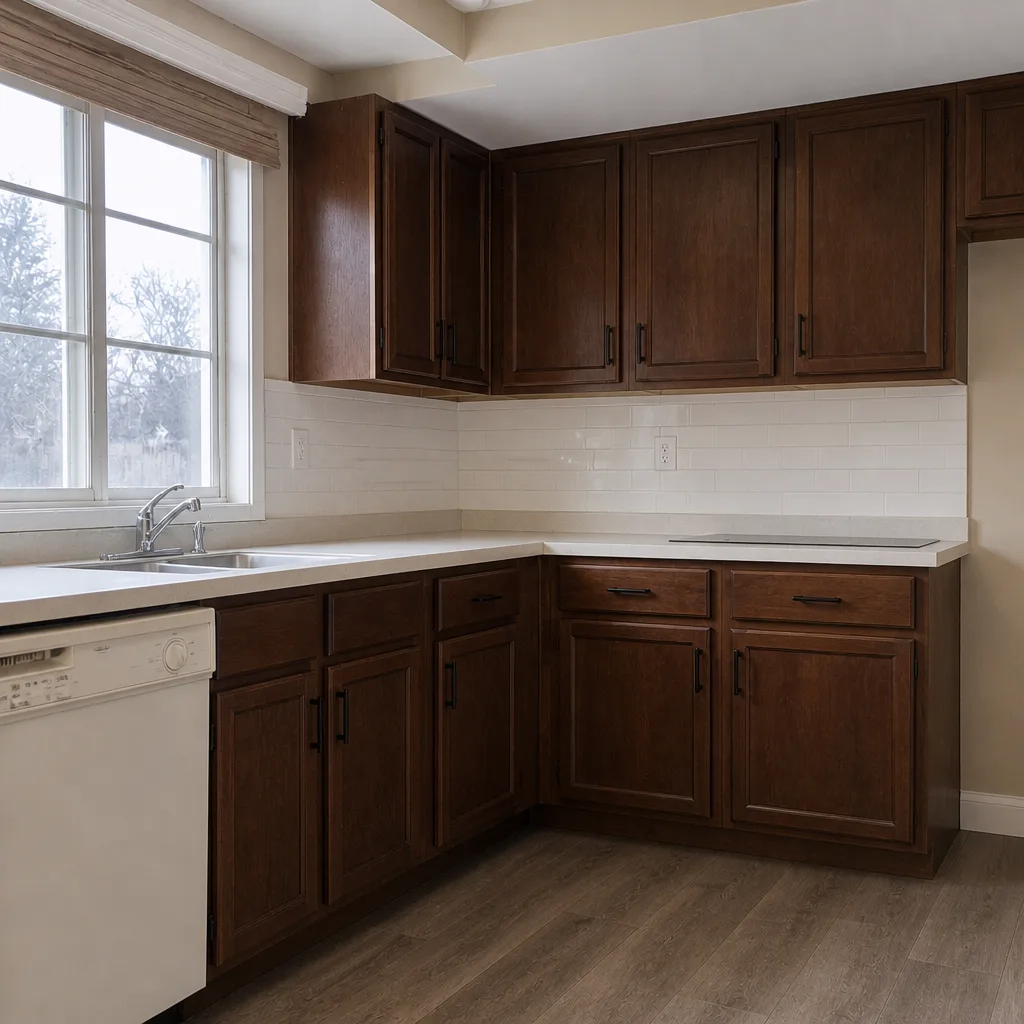
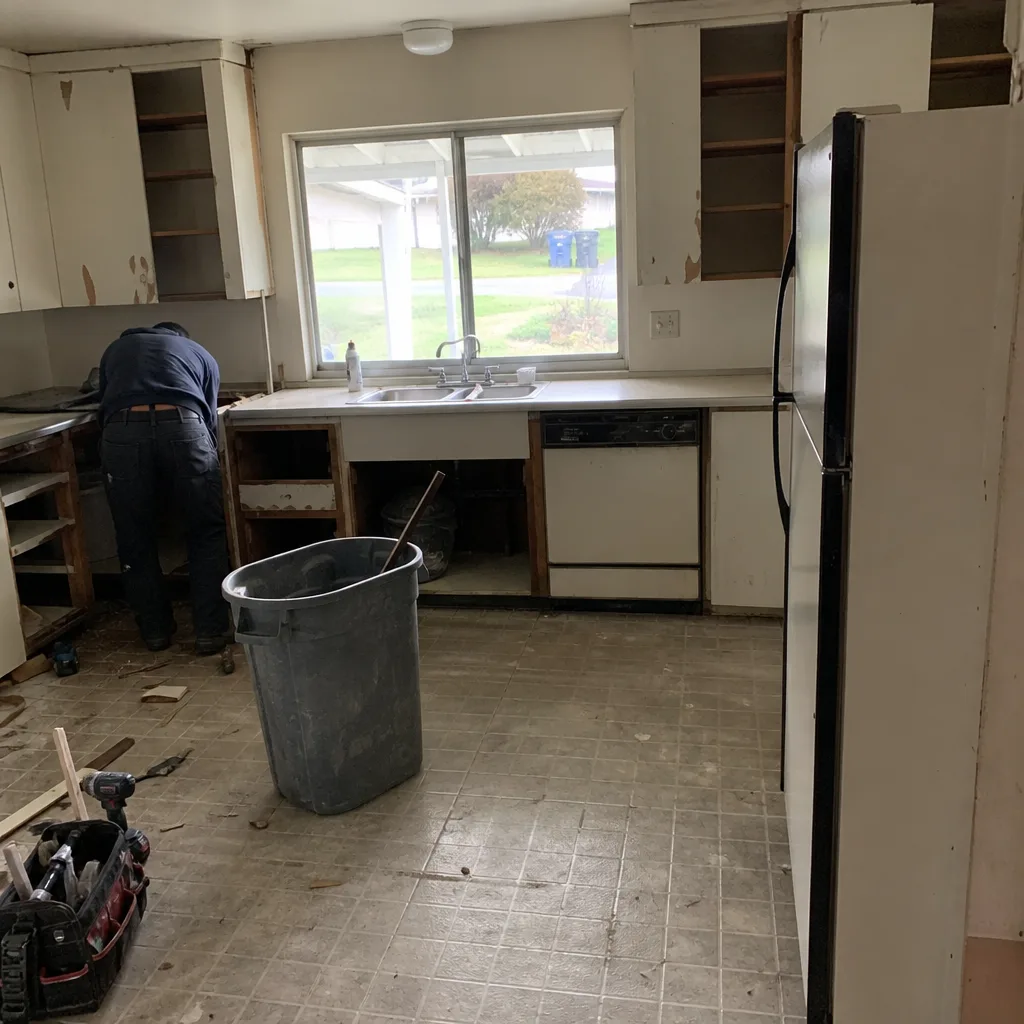 Before
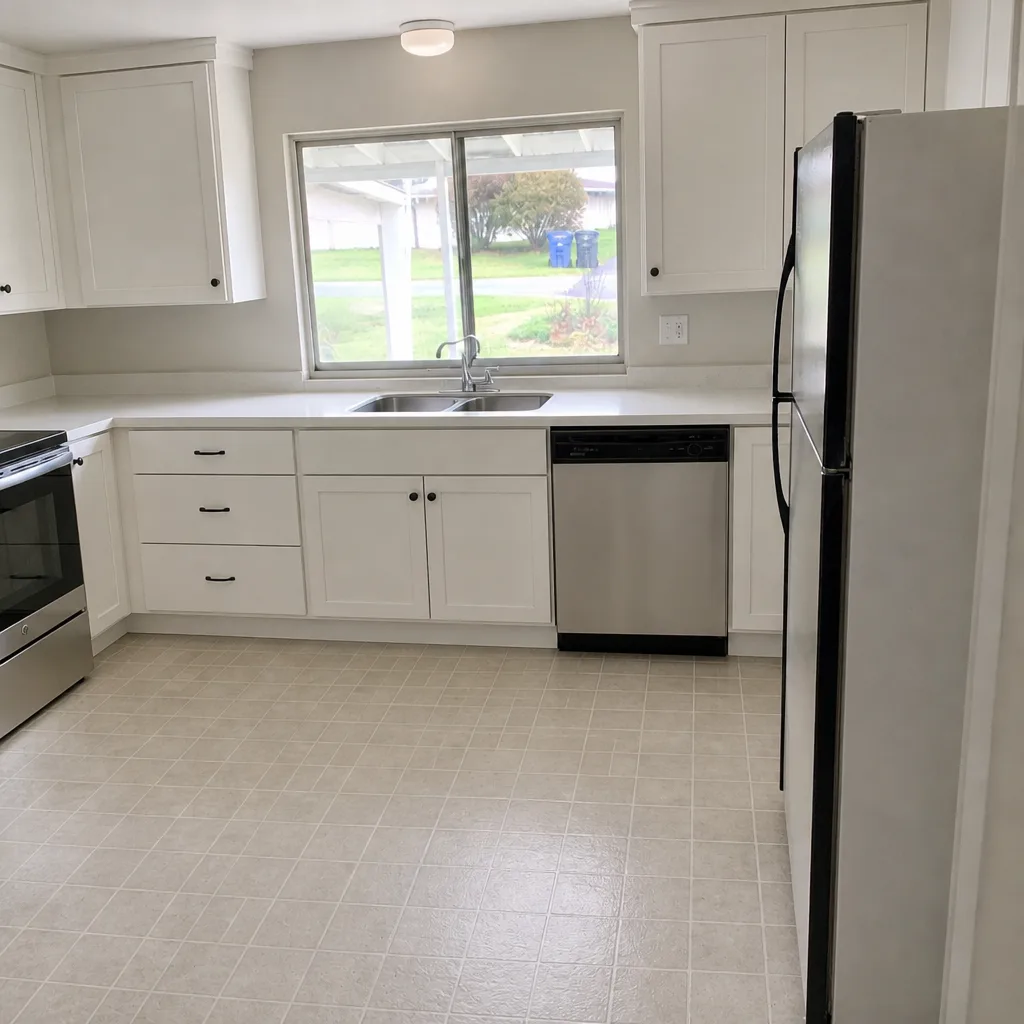 After
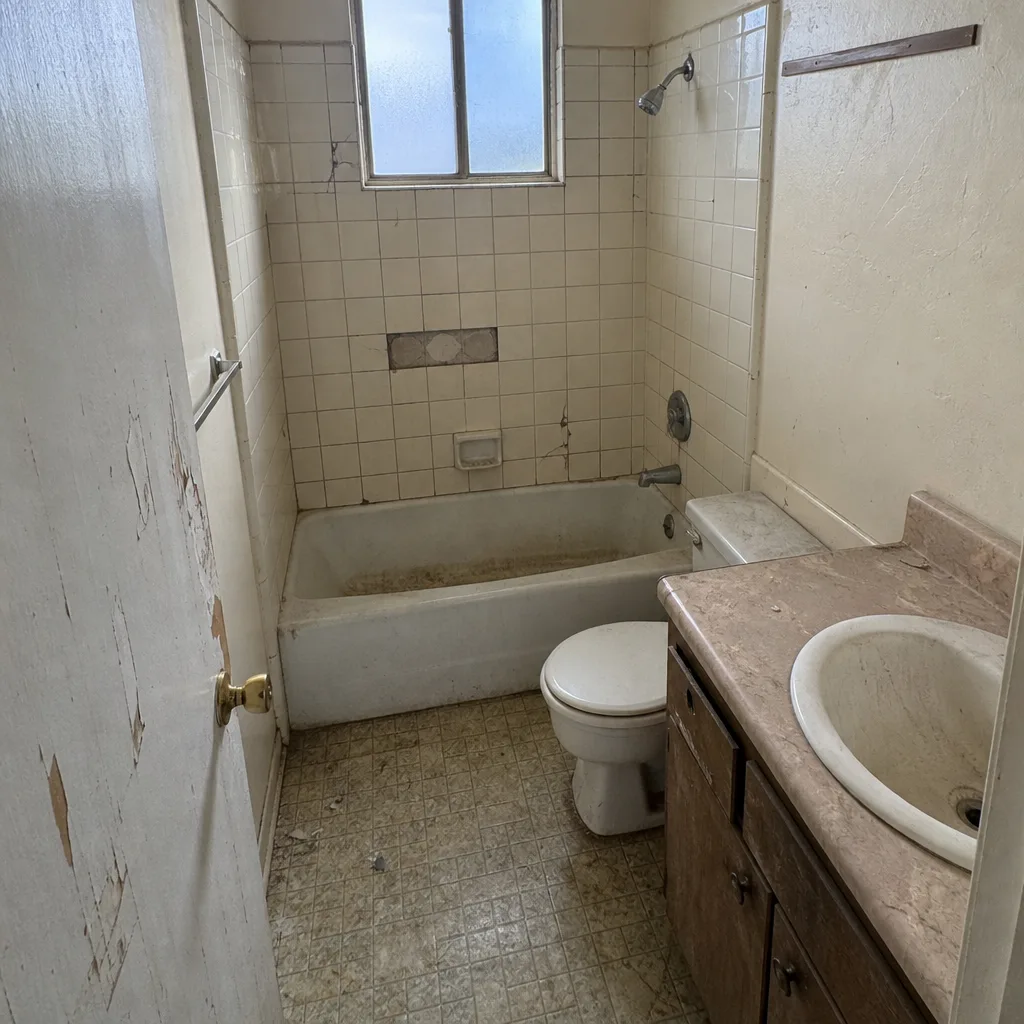
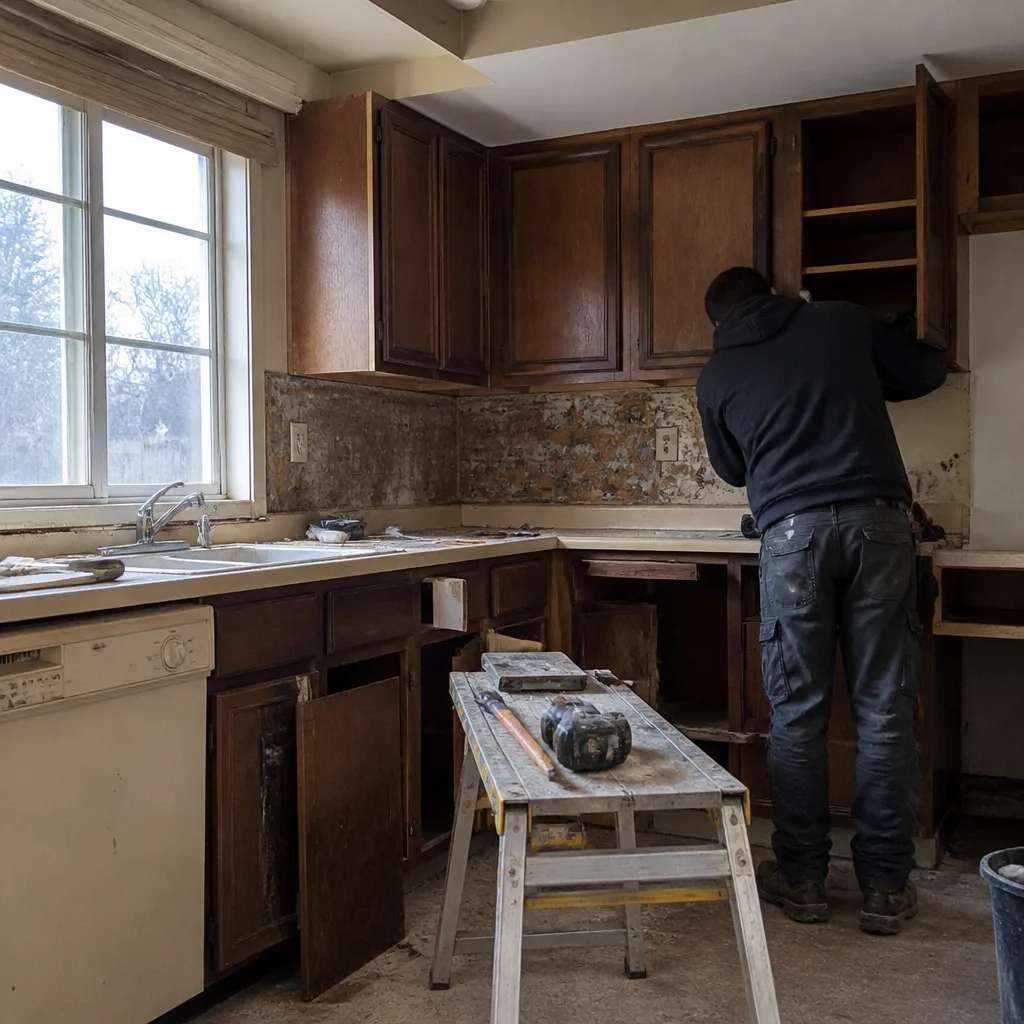 Before
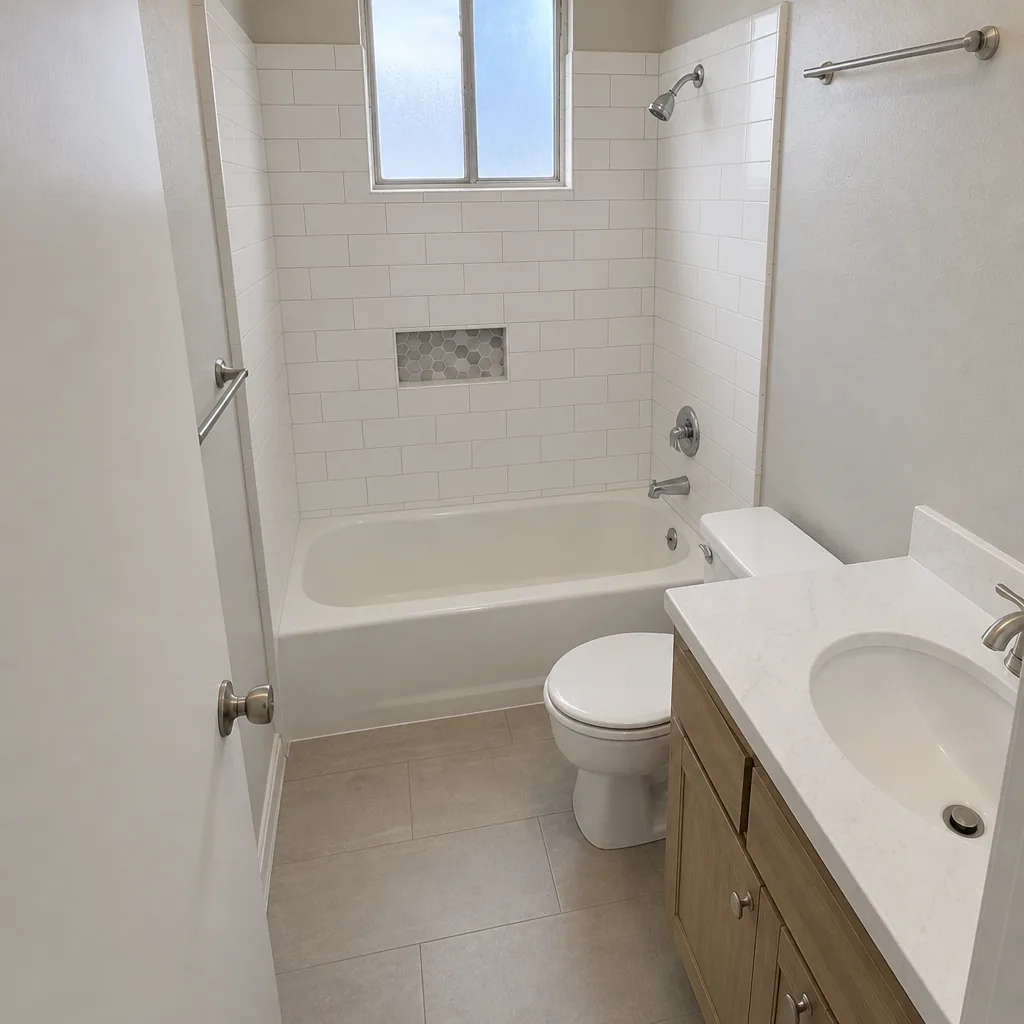
 After
 Before
 After
When to Call a Professional
Some jobs are straightforward DIY territory, but a real list of situations tips toward a professional. Roof replacements, siding installs, window and door replacements, concrete work, and any exterior project involving height or fall protection are jobs where the sequencing and safety matter more than they look. Electrical, plumbing, and gas work on any remodel needs a trained professional, and so does any change to the wall assembly or waterproofing in a bathroom. If you’re coordinating two or more trades, or if your project combines interior and exterior work, a single contractor makes the sequencing decisions sit in one place rather than across three separate schedules. Remodeling Redmond offers free estimates in Redmond, with written line-item quotes and the permits pulled for your scope. Call (425) 675-1664 to schedule your free estimate.
Frequently Asked Questions

Interior remodels are best scheduled October through February, when contractor capacity opens up and weather can’t disrupt the work. Exterior projects like roofing, siding, and painting are best placed late May through early September, with protective measures covering the shoulder season. The most strategic move is to book exterior work in February for an earlier start than the spring rush allows.
Yes, with proper protection. Roofing systems from GAF, CertainTeed, Owens Corning, IKO, Atlas, or Tamko all install fine in the wet season when the substrate is protected with a temporary weather barrier and the crew sequences around the forecast. Rain intrusion during the install is the real risk, and that’s managed through staging and coverage, not by avoiding the season entirely.
Deck boards expand with heat and moisture, and the expansion gap has to be sized for the season of installation. Summer installs in Redmond need wider gaps than winter installs because summer heat causes more expansion. A gap sized for winter on a summer install will buckle once the first hot stretch hits. We size gaps by manufacturer spec and by install season.
Before the finish work and inside the same project scope. Insulation and HVAC changes need open wall cavities, so scheduling them in a separate project after finishes are complete means reopening walls and redoing paint, drywall, and tile. Sequencing them as part of the same scope avoids that. This is one of the most common sequencing mistakes we see.
Redmond contractors are commonly booked six to ten weeks out by April, and summer is generally the tightest scheduling window. Booking in February for an exterior project gives you earlier start dates and better crew availability. Interior projects booked in late summer for a fall or winter start tend to have more schedule flexibility than summer slots.
Not inherently, but it takes planning. Concrete pours are fine in cooler weather, but cold and wet conditions slow the cure, and anything being loaded onto the slab has to wait for the concrete to reach full strength. The pour window should include buffer for cure time. A crew that plans for slow cure will pour correctly; one that doesn’t will cause failures that show up later.
The Bottom Line
Redmond’s construction calendar rewards the homeowner who plans ahead. Interior remodels, from kitchen and bath to flooring and interior paint, are strategically better placed October through February. Exterior work, roofing, siding, windows, doors, decking, concrete, and exterior paint, is best placed in the dry summer stretch, with real protection held over the shoulders. The single biggest advantage goes to the homeowner who books exterior work in February rather than calling in April, because that’s the difference between a summer start and a fall one. Get the sequencing right on the utility and envelope work before finishes go in, and the project will hold up through any season.
Remodeling Redmond provides residential remodeling services including kitchen remodeling, bathroom remodeling, flooring installation, and interior and exterior painting, with access to name-brand materials across cabinetry, countertops, plumbing fixtures, roofing, windows, and doors. We answer 24/7, with fast dispatch from 7am to 7pm, Sunday through Friday. Call (425) 675-1664 to schedule your free estimate.
Written by the team at Remodeling Redmond.