
Last updated November 25, 2026




Free written scope consultation - allowances, timeline, and change-order rules on paper before a single trade is scheduled
The Complete Guide to Construction in Redmond
Most construction guides treat Redmond like a name you swap into a template. That’s a mistake. Redmond has fewer than 15 square miles of land, yet in a single recent year the city issued more than 1,200 residential building permits. That ratio changes everything about how a project here actually goes. You’re not competing for lot space so much as competing for the same inspectors, the same good framing crews, and the same window delivery windows as thousands of other homeowners. And the constraints shift block by block: a lot in Overlake doesn’t play by the same rules as one on Education Hill. This guide walks you through how construction in Redmond really works, from permit jurisdiction to neighborhood zoning to the material choices that hold up in a wet Pacific Northwest climate.
Quick Answer
Construction in Redmond is shaped less by what you want to build than by where you’re building it. Overlake, Education Hill, Willows, and the downtown core each carry different zoning constraints, and King County versus City of Redmond permit jurisdiction decides how long your approval takes. Most projects here are renovations of existing homes rather than new builds, because Redmond’s tech-sector turnover keeps reselling houses into the remodel pipeline. Plan for material lead times influenced by Bellevue and Kirkland demand, and confirm which trades require separate specialty licensing in Washington State before you sign anything.
Styles & brands we work with
- Kitchen remodeling
- Bathroom remodeling
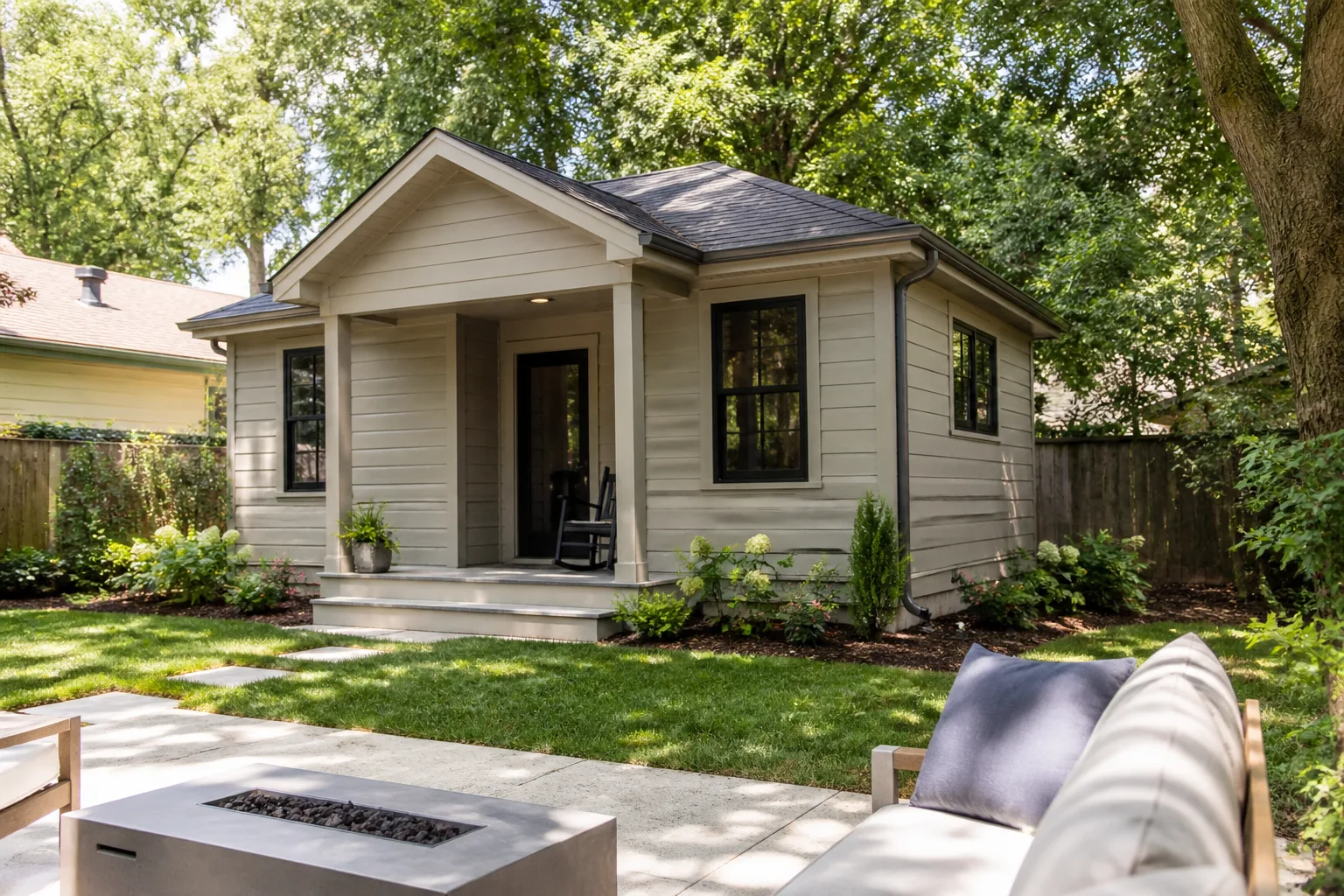
- Home additions & ADU
- Roofing
- Windows & doors
- Driveway & pavers
- Fence
Table of Contents
- How Redmond’s neighborhoods change your project scope
- King County vs. City of Redmond: which permit authority you answer to
- Why Redmond is a renovation market, not a new-build market
- How Bellevue and Kirkland affect your schedule and lead times
- What full-scope remodeling actually covers in Washington State
- Choosing materials for Redmond’s climate and housing stock
- The step-by-step path of a Redmond remodel
- What construction work typically costs in Redmond
How Redmond’s neighborhoods change your project scope
Redmond isn’t one zoning map. It’s several, stitched together, and the differences matter the moment you start planning a project. A homeowner in one part of town can add square footage that would be flatly denied a few miles away. Before you fall in love with a floor plan, find out which rules apply to your address.
- Overlake: Older housing stock, tight lots, and a mix of redevelopment pressure near the Microsoft campus. Lot coverage and setback rules here often limit how far an addition can reach, so vertical expansion and interior reconfiguration come up more often than bump-outs.
- Education Hill: Larger lots and established single-family homes, but steep grades on some streets complicate drainage, retaining, and foundation work. Slope stability and stormwater management can add weeks to a project that looks simple on paper.
- Willows: A mix of residential and commercial edges, with proximity to the Sammamish Valley. Properties near the valley floor deal with drainage and water table considerations that interior-only remodels sidestep.
- Downtown core: Densifying fast, with multifamily and mixed-use zoning influencing what’s allowed on adjacent parcels. A downtown remodel can be affected by overlay districts and design review that don’t apply elsewhere in Redmond.
We’ve seen projects where the scope was rewritten entirely after a zoning check. The lesson: pull your parcel’s zoning designation before you draw anything. It’s cheaper to design around the rules than to redesign after a rejection.
King County vs. City of Redmond: which permit authority you answer to
Most residential construction inside Redmond city limits runs through the City of Redmond’s permitting department, not King County. That’s the first thing to establish, because submitting to the wrong authority wastes weeks. If your property sits in unincorporated King County, or touches certain county-managed infrastructure, the county takes the lead instead.
Here’s how to sort out which authority applies and what to expect along the way:
- Confirm your jurisdiction. Check whether your address is inside Redmond city limits or unincorporated King County. This single fact determines where your application goes.
- Know what triggers a permit. Structural changes, additions, plumbing and electrical alterations, and most exterior envelope work require permits. Cosmetic work like interior paint or flooring swaps typically doesn’t.
- Build inspection time into your schedule. Redmond’s inspection pipeline is busy, and a project that needs multiple inspection stages has to wait its turn between them. A kitchen remodel might need rough-in and final inspections; a full addition requires several more.
- Submit complete drawings the first time. Incomplete submittals are the most common cause of delay in a crowded permitting environment. Missing structural calcs or site plans send you to the back of the line.
- Confirm your contractor pulls the permits. Ask before work starts. A professional who handles the permit and passes the inspection is protecting you from a failed final that can stall a sale later.
In our experience, the permitting stage is where Redmond projects most often slip. It’s not because the city is difficult, it’s because the volume of work means corrections cost real calendar time.
Why Redmond is a renovation market, not a new-build market
Redmond’s construction activity skews heavily toward remodels rather than new builds, and the reason is the tech sector. Microsoft’s campus expansion and the surrounding employment base keep a steady flow of buyers moving in and out. When a house changes hands every few years, the new owner usually wants a modern kitchen, an updated bathroom, or a refreshed exterior, not a brand-new house on a new lot.
What that means for you as a homeowner or a contractor:
- The housing stock is aging under new ownership. Many Redmond homes were built decades ago and are now being updated for the first time in a long while. That often surfaces hidden conditions once walls open: old wiring, undersized framing, dated plumbing.
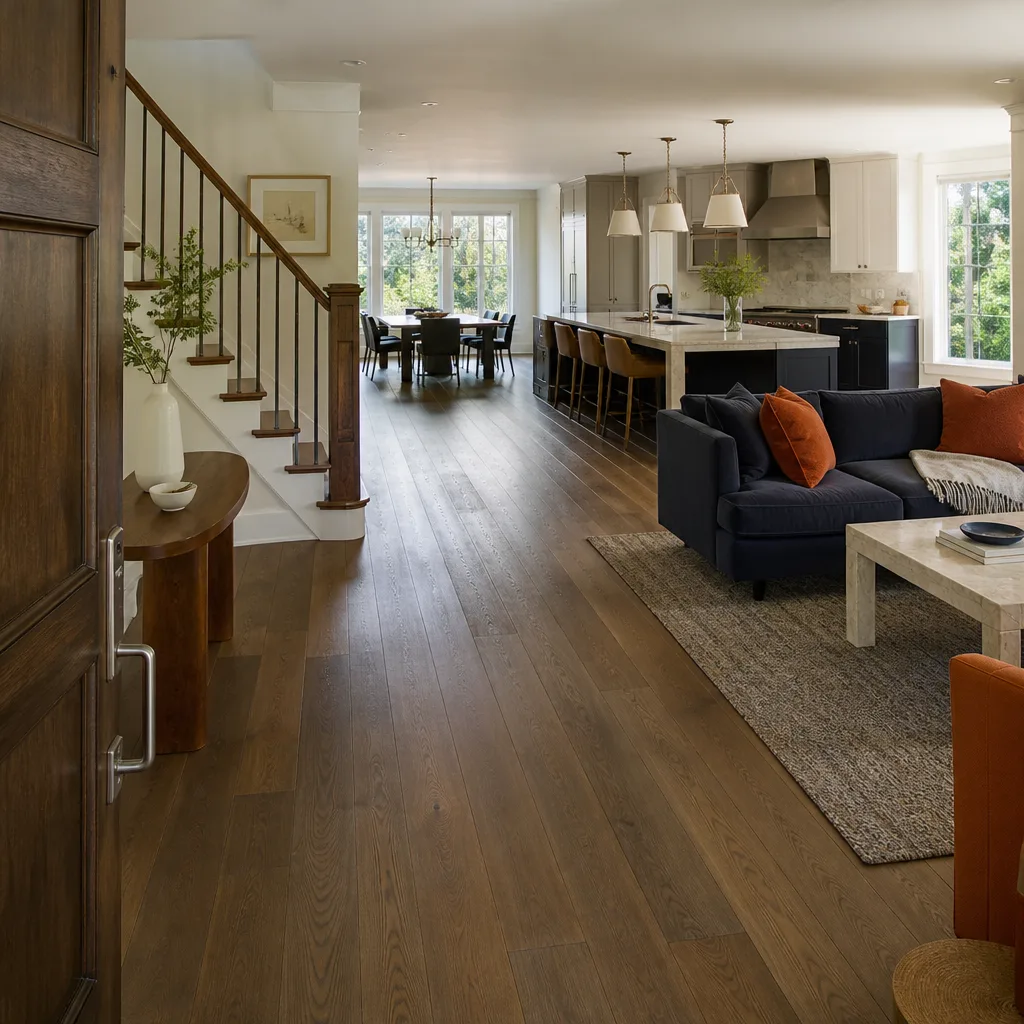
- Buyers care about resale-ready finishes. Because turnover is high, homeowners tend to choose materials with broad appeal and proven durability. Cambria quartz countertops and name-brand fixtures hold up well for resale because buyers recognize them.
- Timelines are driven by the resale calendar. If you’re renovating to sell, the schedule compresses. Material lead times that are tolerable on a forever home become a real problem when a listing date looms.
- Contractor availability tightens. Renovation-heavy markets keep good trades booked out. The best time to secure a crew is before you’ve finalized every material choice.
The upside for homeowners: a renovation market produces contractors who are experienced at working within existing structures. That’s a different skill set from new construction, and it’s the one most Redmond projects actually need.
How Bellevue and Kirkland affect your schedule and lead times
Redmond doesn’t build in a vacuum. It sits between Bellevue and Kirkland, both of which pull from the same labor pool and the same regional material supply chain. When those neighboring markets are busy, Redmond homeowners feel it in the form of longer waits for cabinets, windows, and specialty trades.
The practical effects you should plan around:
- Cabinet and window lead times stretch. Semi-custom cabinetry from makers like KraftMaid and Wellborn is built to order, and regional demand sets the delivery window. Order early, even if installation is months off.
- Specialty trades book out. Tile setters, finish carpenters, and electricians are shared across the Eastside. A crew schedule that looks open today can fill by the time permits clear.
- Material pricing moves with regional volume. Roofing systems and exterior products from GAF, CertainTeed, Owens Corning, IKO, Atlas, and Tamko are subject to supply and demand across the whole region, not just Redmond.
- Delivery scheduling gets competitive. When multiple job sites in Bellevue and Kirkland need the same window or door order, your delivery date becomes one line in a queue.
Our advice is to lock in long-lead materials before you finalize the construction schedule, not after. If you’ve already priced a kitchen remodeling project, ask specifically when your chosen cabinet line will ship before committing to a start date.
What full-scope remodeling actually covers in Washington State
“Full-scope remodeling” is a phrase thrown around loosely. In Washington State, it means a single contractor managing the entire project scope across the trades that don’t require separate specialty licensing, while coordinating the licensed specialists who do. That’s a narrower definition than it sounds, and it’s worth understanding before you sign.
A full-scope residential remodeler typically handles:
- Kitchen and bathroom remodeling, including cabinetry, countertops, and fixture installation
- Flooring installation, including Schluter-system tile work
- Interior and exterior painting
- Project management across the full scope, from demolition through final finish
- Coordination with licensed electricians and plumbers where the work requires it
What requires separate specialty licensing or a dedicated trade in Washington depends on the work itself. Electrical and plumbing alterations generally fall under their own licensing requirements, and a good general contractor coordinates those specialists rather than claiming to do everything in-house. Gas line work and anything touching the electrical panel should always go to a licensed specialist. That’s not a limitation, it’s a safeguard.
The advantage of a single contractor across the scopes they do cover is fewer handoffs. When the same team handles bathroom remodeling, flooring, and the paint on the walls, there’s no gap where one trade blames another for a delay. One contract, one point of contact, fewer surprises.
Choosing materials for Redmond’s climate and housing stock
Redmond sits in a wet, temperate Pacific Northwest climate. That shapes material choice more than most homeowners expect. Moisture management, drainage, and exterior durability matter here in ways they don’t in drier regions, and the wrong material on the wrong wall can mean rot or mold within a few seasons.
Where it counts most:
- Exterior envelope: Siding and roofing systems need to shed water reliably. James Hardie siding and roofing from GAF, CertainTeed, or Owens Corning are proven choices for this climate, and the details of flashing and drainage matter as much as the product itself.
- Windows and doors: Moisture intrusion at openings is a chronic issue in wet climates. Therma-Tru doors and window systems from PGT, CGI, ES Windows, ECO Window Systems, or ViewLux all have their place, and the installation detail decides whether they perform.
- Interior moisture areas: Bathrooms and kitchens need proper ventilation and moisture-resistant substrates. Schluter-system tile installation handles wet-area waterproofing correctly, which is why we use it.
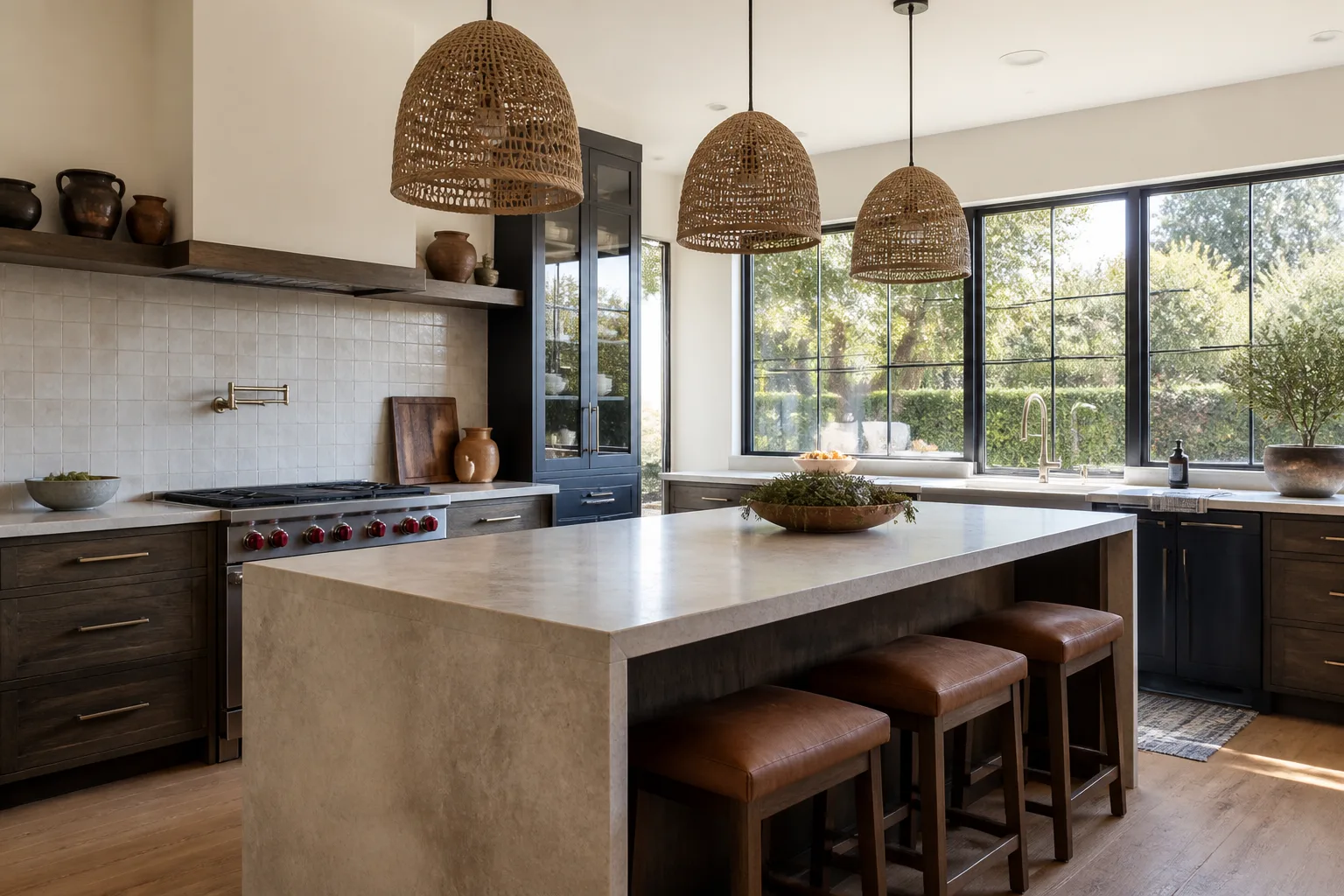
- Countertops: Quartz from Cambria, Silestone, or Caesarstone is non-porous and low-maintenance, which suits busy households and holds up well against humidity swings.
- Fixtures: From premium lines like Kohler, Grohe, and Toto to proven mid-range options like Moen, Delta, American Standard, and Blanco, the right choice depends on your budget and how you use the space.
You’ve probably already researched Cambria and Silestone before reading this. The honest answer is that both are excellent, and the decision comes down to the specific slab, the edge profile, and how the color reads in your actual kitchen light. That’s a conversation worth having in person, not on a spec sheet.
The step-by-step path of a Redmond remodel
Every project differs, but the sequence in Redmond has a recognizable shape. Knowing it up front keeps you from being surprised by a stage that feels like a stall but is actually normal.
- Define scope and budget. Decide what you’re changing and set a realistic range. This is where you choose whether you’re refreshing finishes or reconfiguring the layout entirely.
- Check zoning and permit jurisdiction. Confirm whether you’re in City of Redmond or unincorporated King County, and whether your planned work needs a permit.
- Select materials and lock lead times. Choose cabinetry, countertops, fixtures, flooring, and paint early. Order long-lead items before demolition starts.
- Submit permits and schedule inspections. Your contractor handles the application, then builds inspection stages into the timeline.
- Demolition and rough-in. Walls open, and any hidden conditions surface. This is where a contingency budget earns its keep.
- Installation and finishes. Cabinets, countertops, tile, fixtures, paint. The visible work happens here.
- Final inspection and walkthrough. Permitted work gets signed off, and you review the finished result against the written scope.
For a broader view of how these stages fit together on a whole-house project, our home remodeling overview walks through the full sequence.
What construction work typically costs in Redmond
Costs in Redmond run toward the higher end of the regional range because of permit volume, labor demand, and material lead times. The figures below are typical estimated ranges, not quotes. Your written estimate sets the final price.
| Project | Typical estimated range |
|---|---|
| Bathroom remodel (full) | $18,000 – $45,000 |
| Kitchen remodel (full) | $30,000 – $85,000 |
| Flooring installation (per sq ft, material dependent) | $6 – $18 |
| Interior painting (whole home) | $4,000 – $12,000 |
| Exterior painting | $5,000 – $15,000 |
| Window replacement (per window) | $700 – $2,000 |
| Roof replacement | $12,000 – $30,000 |
| Addition (per sq ft) | $250 – $450 |
Those ranges swing based on material tier, structural surprises, and permit complexity. A bathroom in Overlake with old plumbing costs more to remodel than a newer one downtown, even with identical finishes. Get a written line-item estimate before work starts, and ask whether the price is fixed or subject to change orders. It’s the single best protection against a project that drifts over budget.
Common Mistakes to Avoid
- Skipping the zoning check. Assuming your project is allowed because a neighbor did something similar can cost you a redesign. Parcel rules differ block by block in Redmond.
- Submitting to the wrong permit authority. Filing with King County when your address is inside Redmond city limits, or the reverse, wastes weeks. Confirm jurisdiction first.
- Ordering materials too late. Cabinets and windows have long lead times in a busy Eastside market. Choose and order them before demolition, not after.
- Choosing finishes before checking the structure. Older Redmond homes often hide wiring, plumbing, or framing problems. Leave a contingency before you commit the budget to premium surfaces.
- Assuming one contractor covers every trade. Electrical, plumbing, and gas work need licensed specialists. Ask who’s doing what and confirm the licensing.
- Ignoring moisture detail on the exterior. In this climate, a beautiful paint job over a failing envelope fails fast. Fix drainage and flashing before cosmetics.
- Taking the lowest bid without a written scope. A vague estimate leaves room for change orders. Compare line items, not totals.
See the difference
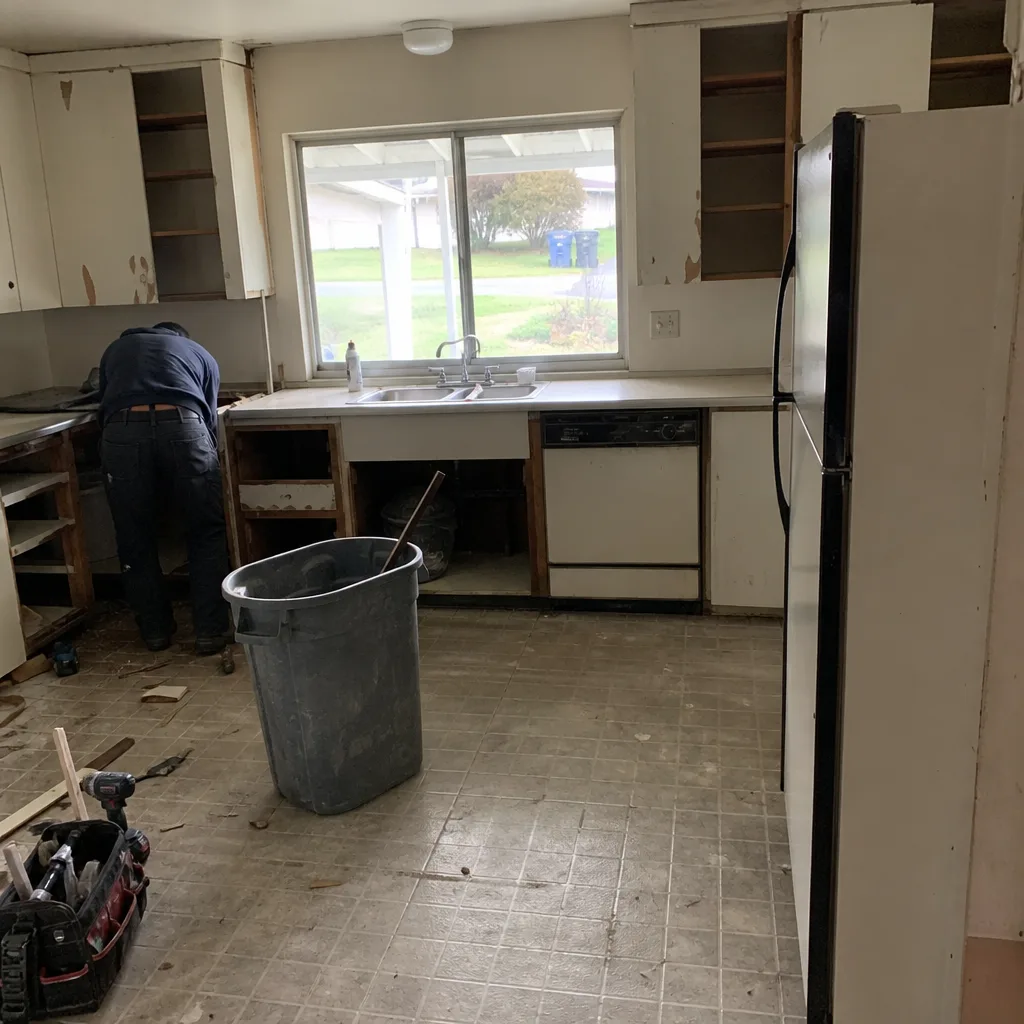 Before
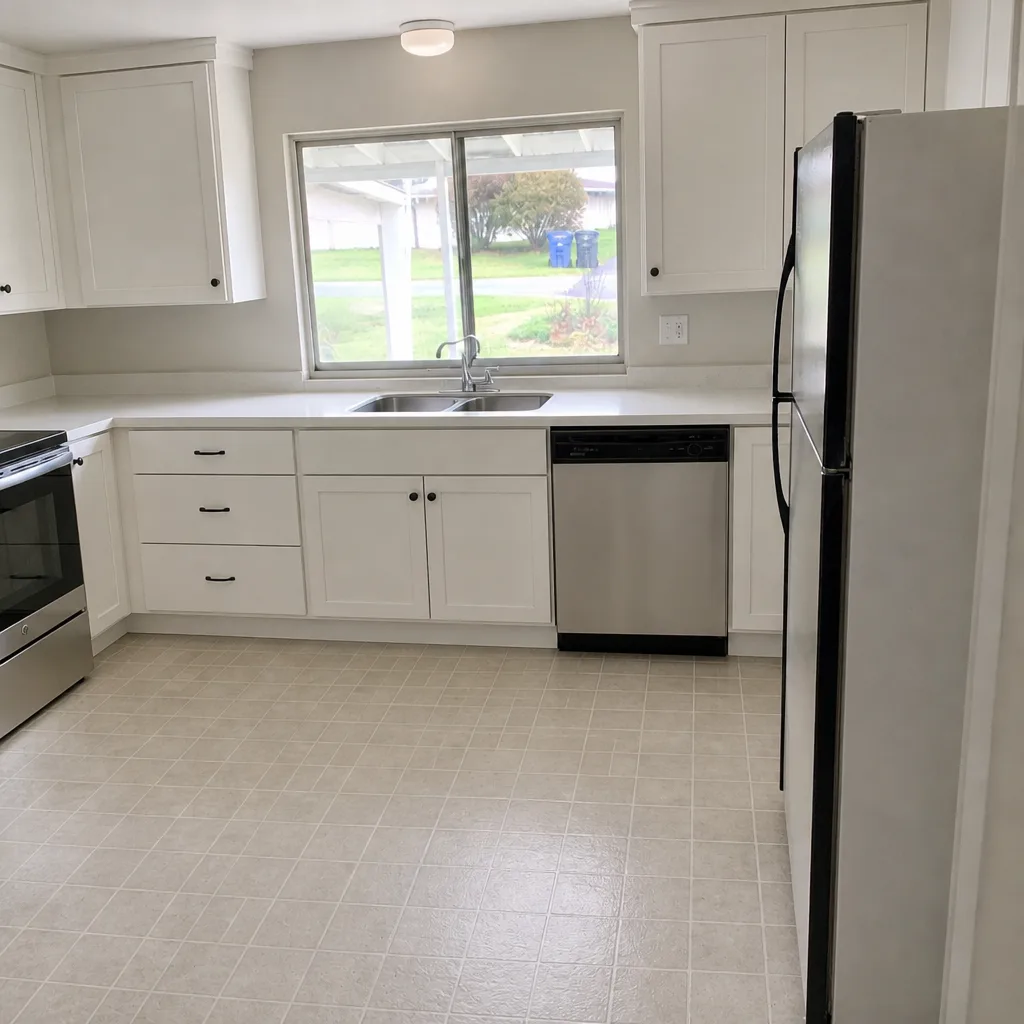 After
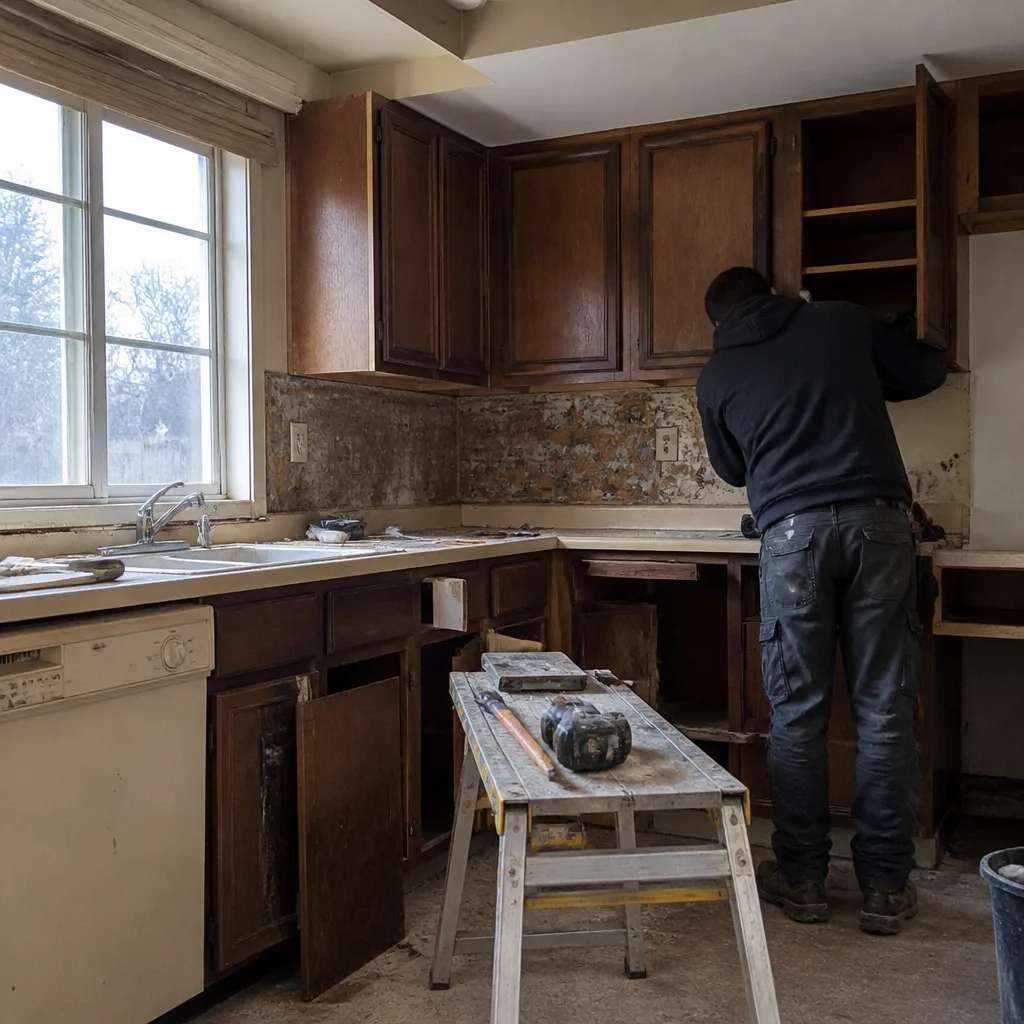 Before
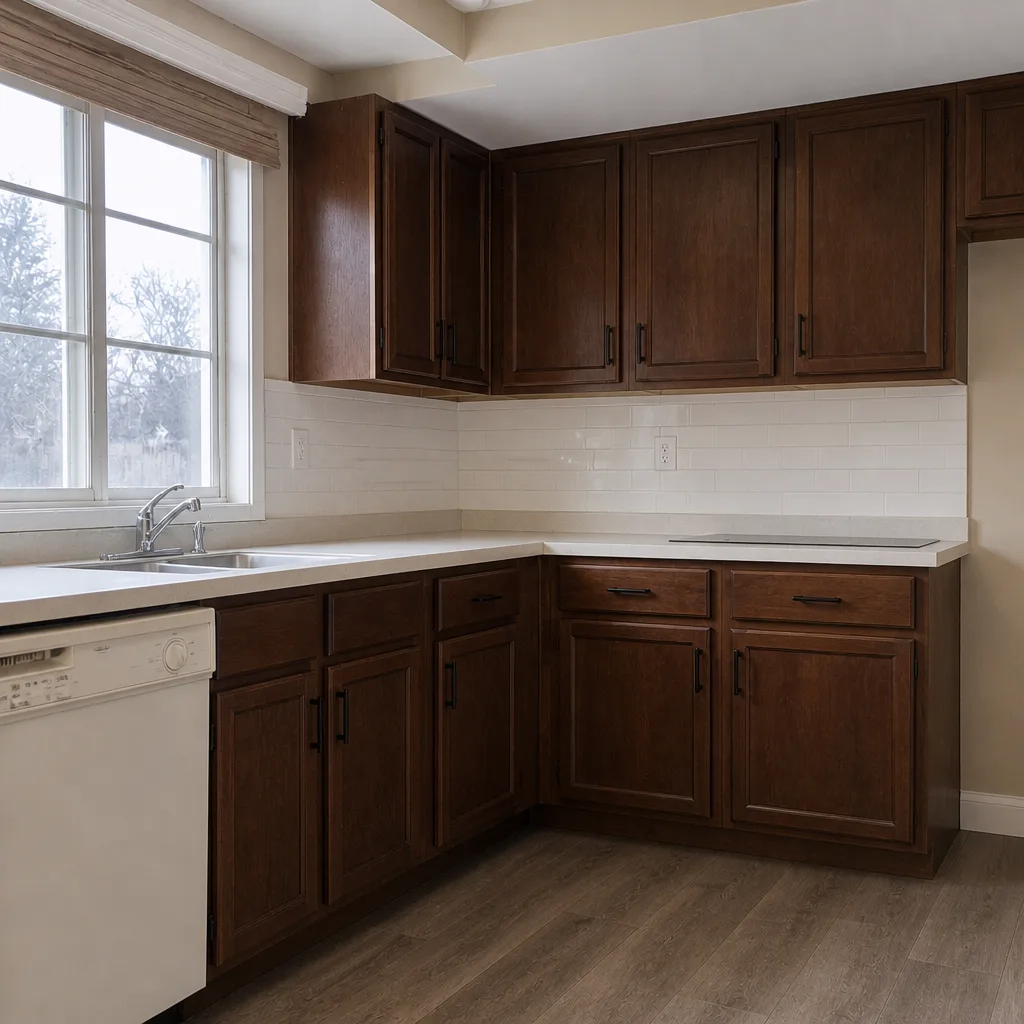 After
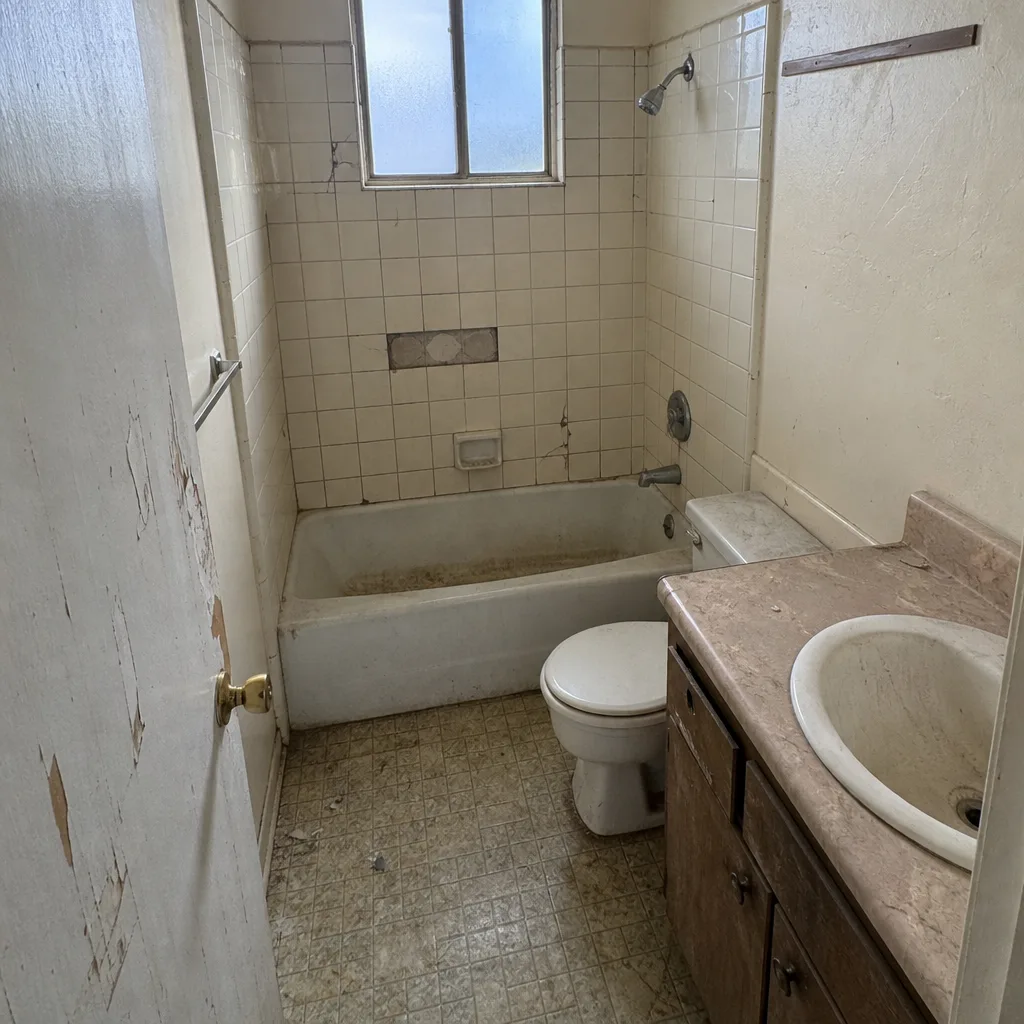 Before
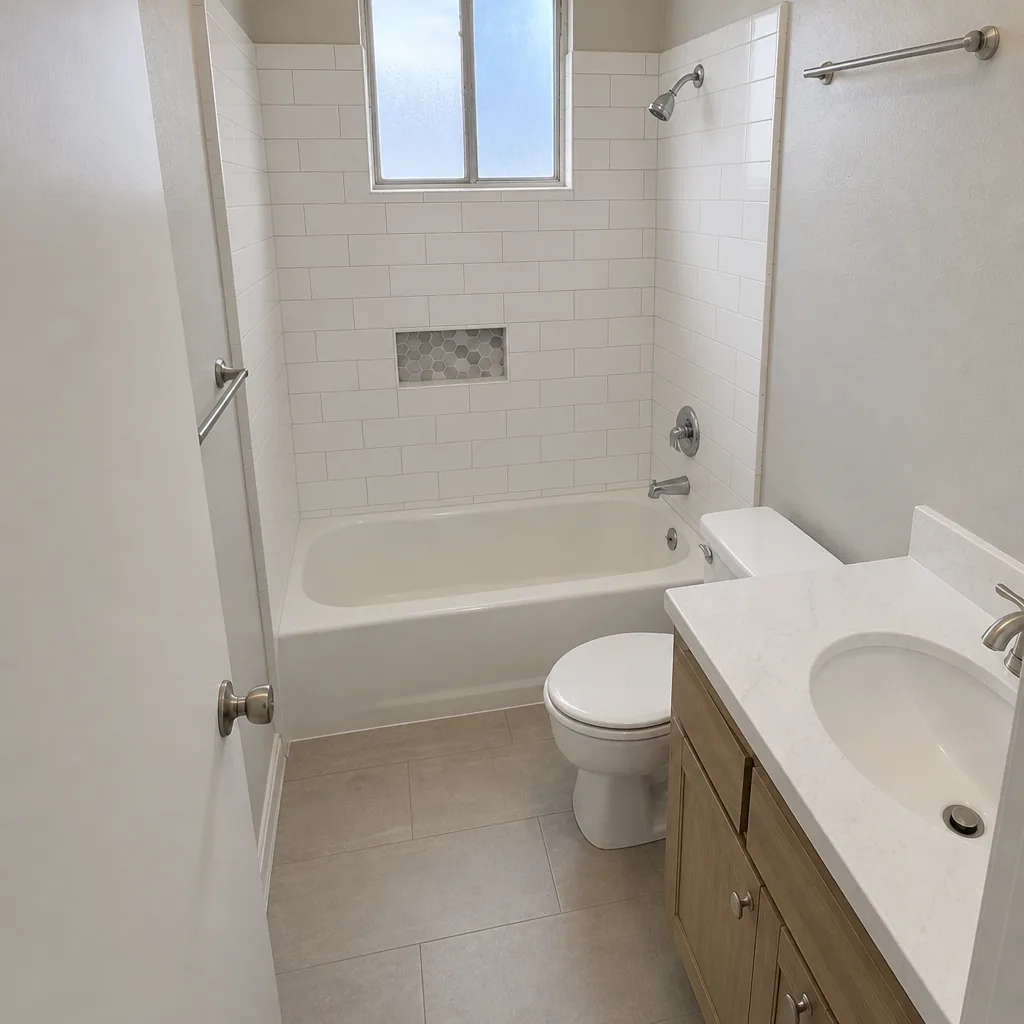 After
When to Call a Professional
Some projects are genuinely DIY-friendly: repainting a bedroom, swapping a light fixture, laying a rug over old floors. Others aren’t. Call a professional when the work touches structure, electrical, plumbing, or gas; when it requires a permit and an inspection; when you’re opening an exterior wall in a wet climate; or when the scope spans multiple trades that need coordinating. If you’re standing in a kitchen from 1992 wondering what’s behind the cabinets, that’s a call. In our experience, the projects that go wrong are the ones where a homeowner tried to manage four trades alone and lost track of who was responsible for what. Remodeling Redmond offers free estimates in Redmond: call (425) 675-1664. We answer 24/7. Fast dispatch from 7am to 7pm, Sunday through Friday.
Frequently Asked Questions

Most structural, plumbing, electrical, and exterior envelope work in Redmond requires a permit, while cosmetic work like interior painting and flooring swaps typically doesn’t. Confirm jurisdiction first, since City of Redmond and unincorporated King County have separate permitting processes. A professional contractor should pull permits and coordinate inspections as part of the job. Call (425) 675-1664 for a free estimate and a clear answer on your specific project.
Permit timelines vary with project complexity and current submission volume, and Redmond’s busy pipeline means inspections can add calendar time. Complete, accurate drawings submitted the first time are the biggest factor in avoiding delay. Build inspection stages into your schedule from the start rather than treating them as an afterthought. Call (425) 675-1664 to talk through the timeline for your project.
Redmond’s tech-sector turnover keeps houses changing hands, and new owners typically want to update rather than build. That push toward renovation, combined with a limited supply of open land, keeps the market renovation-heavy. Renovation work requires a different skill set than new construction, so choose a contractor experienced with existing structures. Call (425) 675-1664 for a free estimate.
A full-scope residential remodeler can manage kitchens, bathrooms, flooring, and interior and exterior painting under one contract, coordinating licensed specialists for electrical and plumbing. The advantage is fewer handoffs and one point of contact across the whole scope. Confirm exactly what your contractor covers directly versus what they subcontract. Call (425) 675-1664 for a free estimate.
Moisture management matters most in the Pacific Northwest, so exterior products that shed water and install with proper flashing and drainage last longest. James Hardie siding and roofing from GAF, CertainTeed, or Owens Corning are proven in this climate, and interior wet areas benefit from correct waterproofing systems. Tile installation on a Schluter system is a solid choice for bathrooms and kitchens. Call (425) 675-1664 to discuss materials for your project.
A written, line-item estimate with fixed pricing should hold unless hidden conditions surface or you request changes. Older homes can reveal surprises once walls open, which is what a contingency budget covers. Ask upfront whether the price is fixed and how change orders are handled. Our estimate is free and the written estimate sets the final price: call (425) 675-1664.
The Bottom Line
Construction in Redmond is shaped by forces most guides ignore. Neighborhood zoning, King County versus city permitting, tech-driven turnover, and the pull of Bellevue and Kirkland all affect your scope, schedule, and lead times. Plan the permit stage early, order long-lead materials before demolition, and choose finishes that suit a wet climate and hold up at resale. A single contractor who manages the full scope you need, while coordinating the licensed specialists who handle the rest, keeps a project moving. Get a written line-item estimate before you commit, and call us with questions.
Remodeling Redmond offers free estimates on residential construction and remodeling in Redmond. Call (425) 675-1664. We answer 24/7. Fast dispatch from 7am to 7pm, Sunday through Friday.
Written by the team at Remodeling Redmond.