Last updated November 25, 2026






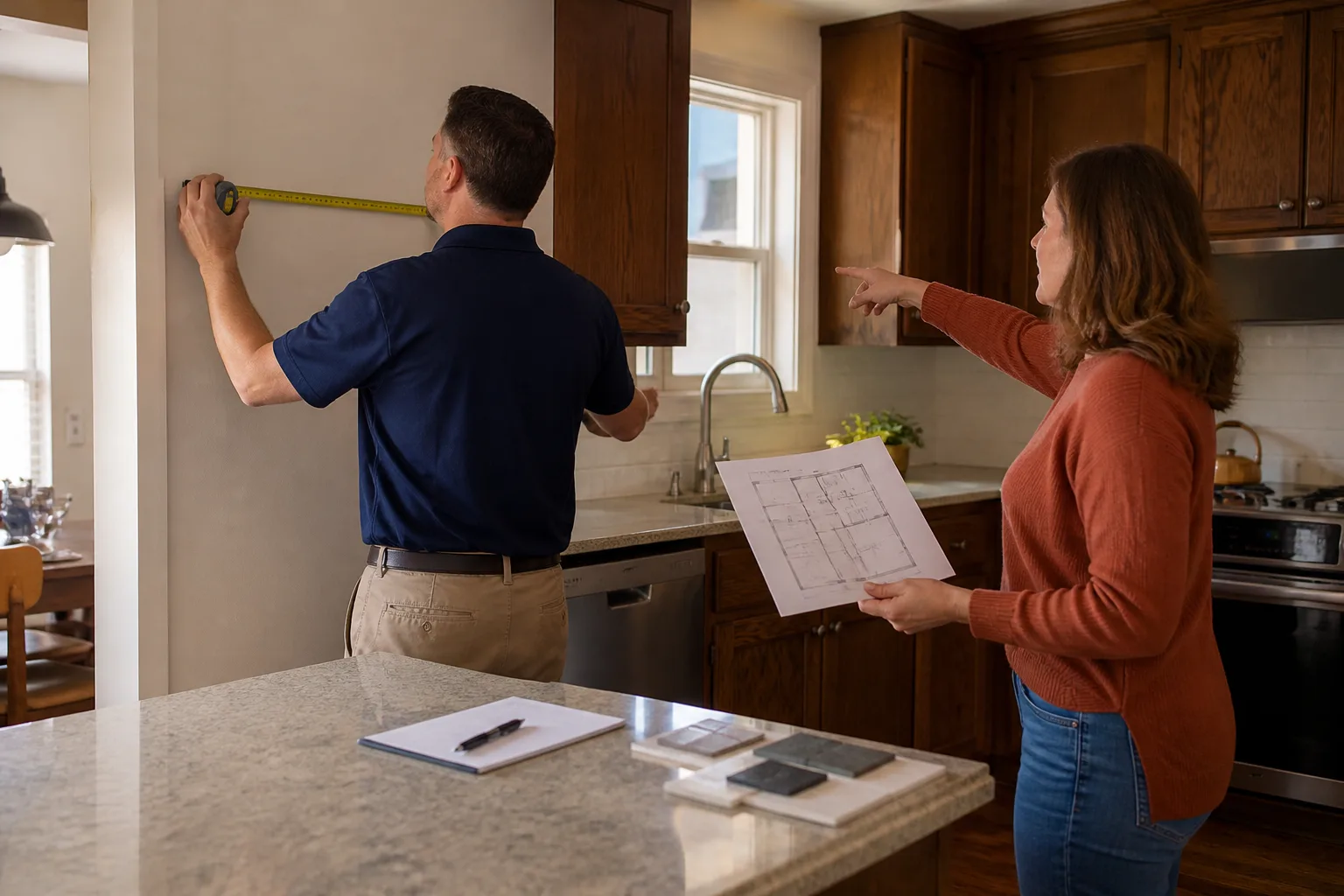
Free written scope consultation - allowances, timeline, and change-order rules on paper before a single trade is scheduled
DIY vs Professional Construction: The Redmond Homeowner’s Decision Guide
Most homeowners in Redmond frame the DIY question around skill: “Am I handy enough to do this myself?” That’s the wrong question. The real question is what happens after the work is done. Washington State does allow homeowners to pull permits and self-perform a surprising amount of work on their own house, but that exemption comes with specific limits and long-tail consequences that don’t show up until inspection, insurance claim, or listing day. This guide covers exactly what you can legally do yourself in Redmond, what requires a licensed contractor, how DIY affects your insurance and resale disclosure, and where a hybrid approach makes sense. By the end you’ll have a real framework for deciding, not a gut feeling.
Quick Answer
In Redmond, DIY is a good decision for cosmetic, non-structural work that doesn’t touch plumbing, electrical, or the building envelope: interior paint, trim, hardware swaps, and finish carpentry. Anything that involves a permit, a waterproofing assembly, electrical service, gas, or structural alteration is usually a net loss to self-perform, because a single redo erases the savings and a failed inspection can stall a future sale. The correct call depends on permit exposure, warranty voidance, and resale liability, not on whether you own a tile saw.
Styles & brands we work with
- Kitchen remodeling
- Bathroom remodeling
- Home additions & ADU
- Roofing
- Windows & doors
- Driveway & pavers
- Fence
Table of Contents
- What Washington State Actually Lets You Do Yourself
- Why Redmond’s Climate Changes the DIY Math
- Project Categories Where DIY in Redmond Is Genuinely Low-Risk
- Where DIY Mistakes Compound: Waterproofing, Structural, Gas, Electrical
- Insurance Coverage and Resale Disclosure in Washington
- A Real Cost Framework: DIY Bathroom Tile vs Hiring Out
- The Hybrid Model: What Contractors Will and Won’t Let You Self-Perform
- Common Mistakes to Avoid
What Washington State Actually Lets You Do Yourself
Washington State’s homeowner exemption is broader than what most states allow and narrower than most homeowners assume. The core principle: if you own the property and it’s your primary residence or a property you intend to occupy, you can generally pull a permit in your own name and perform the work yourself, provided it meets code. You are not required to hold a contractor registration to work on your own house. That’s the broad version. The specific limits are where the surprises live.
The exemption generally does not extend to:
- Electrical service work and panel replacements. Washington requires a licensed electrical contractor for service-level work. Homeowners can typically pull a permit for minor branch circuit additions, but panel swaps and service upgrades fall outside the exemption.
- Gas piping. Any gas line work, including appliance connections beyond a simple flexible connector swap, requires a licensed plumber or gas fitter. This is not a DIY category in Washington.
- Structural work that alters the load path. Removing a wall, cutting a beam, adding a header, or modifying a foundation typically requires engineered drawings and a licensed contractor. Some jurisdictions allow a homeowner to permit structural work if the plans are stamped by an engineer, but the work itself is a different question.
- Rental and investment property. The exemption is for owner-occupied work. If you’re fixing up a rental or a flip, you need a registered contractor.
- Anything where you sell within a defined window. Washington’s contractor registration law imposes disclosure and warranty obligations on work performed for resale that don’t apply when you live in the home. If your plan is “remodel and list next spring,” the exemption may not cover you.
The practical upshot for Redmond homeowners: pulling a permit in your own name is legal and often sensible for cosmetic or low-risk scope, but you are personally on the hook for code compliance at every inspection. If the work fails, there is no contractor to call back. You reframe, and the clock resets. For a broader sense of what a full-scope project actually involves, our Remodeling Redmond page lays out the scope we typically see.
One more thing that gets missed: the permit itself doesn’t expire because you got busy. In most Puget Sound jurisdictions, an active permit needs to keep showing progress or it lapses. If you started a bathroom rough-in in June and life got in the way, the permit file can close out and you’ll be re-applying, sometimes with a new plan review. That’s a real cost that never shows up in the “DIY saves money” math.
Why Redmond’s Climate Changes the DIY Math
Redmond sits in the Puget Sound lowland, which means a wet fall and winter, a long shoulder season, and a summer that’s drier than most people picture. The rain is not dramatic the way a Midwest thunderstorm is. It’s persistent. That distinction matters enormously for construction decisions, because the failure mode here is moisture that never fully leaves.
For a DIY-er, that changes three things:
- Exterior work has a narrow reliable window. Siding, exterior paint, and roofing on a Redmond house need dry weather and material acclimation. Painting an exterior in October and hoping for the best is how peeling and blistering starts. James Hardie siding installed over a wet substrate will trap that moisture. Interior painting has far more margin.
- Waterproofing is not forgiving. A shower’s waterproofing layer has to be continuous, and it has to be installed correctly the first time. There’s no “call it back in.” In a dry climate a small gap might dry out between uses. In a Puget Sound house with a family of four showering daily, water finds the gap and stays there. This is why we install Schluter-system tile assemblies rather than relying on a painted-on membrane. The system either works or it doesn’t, and the difference only reveals itself years later when a floor joist starts to give.
- Drainage and grading around the foundation. A homeowner can absolutely regrade a planting bed. But if the grading work pushes water against the foundation or disrupts a footing drain, the consequences show up as basement or crawlspace moisture that’s expensive to reverse. Redmond lots often slope, and a small change in the wrong direction redirects a lot of water.
None of this means DIY is off the table in Redmond. It means the categories where DIY genuinely saves money are narrower here than they would be in a dry climate, because the failure modes are more expensive to fix. Our home remodeling work in Redmond deals with this constantly, and the number one call we get about DIY projects gone sideways involves tile and moisture.
Project Categories Where DIY in Redmond Is Genuinely Low-Risk
Let’s be concrete about where DIY makes sense. These are the categories where the risk-reward genuinely favors doing it yourself, assuming you have the patience to do a careful job. The common thread: no permit, no waterproofing, no gas, no service electrical, and a mistake that costs a weekend to fix instead of a year to undo.
- Interior painting. The single highest-return DIY project for most Redmond homeowners. Prep is 70% of the job, and prep doesn’t require a license. The only caution is lead paint on pre-1978 homes, which requires certified handling.
- Trim, baseboard, and door casing. Mitered cuts and finish nails. A mistake costs you a stick of material.
- Cabinet hardware, faucet swaps, and light fixture replacements. All within the homeowner exemption. Faucet replacement on a standard supply line is a 20-minute job. If you’re swapping a fixture where the existing wiring looks wrong, stop and call an electrician.
- Interior door replacement. A slab or pre-hung door swap with no structural change. Therma-Tru exterior doors are a different matter – the rough opening, flashing, and threshold details matter, and that’s typically a contractor scope item.
- Bathroom accessory and mirror installation. Assuming you know where the studs are, and you don’t drill into a plumbing wall.
- Closet build-outs with no electrical. Shelving, hanging rods, and simple cabinetry are fine. Adding a light inside the closet requires a permit.
What ties these together is a low probability of water intrusion, no load-path implications, and no inspection cycle. If you can’t finish the job this month, the house doesn’t suffer. That last point is underrated. DIY projects stall. A stalled paint job is an eyesore. A stalled shower project is an exposed, unprotected wall cavity in a wet climate.
Where DIY Mistakes Compound: Waterproofing, Structural, Gas, Electrical
These are the four categories where we consistently see homeowners spend more than they would have paid a contractor, and it isn’t close. The pattern is always the same: the DIY work looks acceptable on the surface, passes casual inspection, and fails silently for two to five years before a small problem becomes a large one.
Tile waterproofing
This is the number one offender in Redmond. The tile itself is cosmetic. The waterproofing layer underneath is what matters, and it’s invisible. A slope that’s off by a quarter-inch, a missing corner band, or a membrane that wasn’t properly bonded will show up as grout cracking, then a soft spot, then a subfloor repair. The removal and rebuild of a failed shower typically costs more than doing it correctly the first time, because you’re paying for demolition on top of installation. If you want a shower that lasts a couple of decades, use a system – Schluter, for instance – that has a documented assembly, and either learn the assembly carefully or hand it to a professional.
Structural work
Removing a wall between a kitchen and a living room is the most common Redmond DIY aspiration, and it’s also where the surprises are. Redmond has a wide variety of housing stock, from 1960s ranches to newer builds near Marymoor and on Education Hill, and the wall you want to remove may be load-bearing, may be hiding a plumbing stack, or may be carrying a point load that isn’t obvious from the ceiling joists. Even when you can self-permit structural work with an engineer’s stamp, the question is whether the execution will pass the framing inspection and the drywall inspection that follows. Most homeowners should not self-perform structural scope, full stop. The safety risk is real, and the discovery cost on a Redmond home with a crawlspace is high.
Gas
Gas piping requires a licensed gas fitter in Washington. That includes new appliance hookups where the line needs to be run or rerouted. There’s no homeowner-exemption story that applies here. Skip the DIY entirely.
Electrical service
Replacing a panel or upgrading to a 200-amp service is a licensed electrician’s job. It’s also a job where an improper installation is a genuine fire hazard. If you’ve noticed a Zinsco or Federal Pacific panel in a house you’re buying, that’s a call-an-electrician item, not a tighten-the-lugs item. Branch circuits for a bathroom fan or a handful of outlets are a different conversation, but even those involve the correct breaker, GFCI protection, and inspection. Our bathroom remodeling projects almost always include a permit for both plumbing and electrical, and homeowners rarely anticipate that going in.
Insurance Coverage and Resale Disclosure in Washington
Here’s the piece most DIY guides skip entirely, and it’s often the deciding factor in Redmond.
Insurance. Homeowner’s insurance generally covers sudden accidental damage, not long-term maintenance failures. If your DIY shower has been slowly leaking for three years and rots the subfloor, the insurer will frequently classify that as a maintenance issue and deny the claim. Had the shower been installed by a licensed contractor and failed due to workmanship, your recourse is against the contractor. When you DIY, that recourse doesn’t exist. The cost sits with you. That’s the real insurance question, and it’s not about whether your policy “covers DIY.” It’s about who is on the hook when the work fails.
Resale disclosure. Washington uses a Seller Disclosure Statement (Form 17) that requires you to disclose known defects and, depending on the form version, unpermitted work. A Redmond homeowner who self-performed a significant remodel should expect buyer inspection to be more thorough, not less. Buyers in this market are represented by agents who know what a homeowner-grade tile job looks like next to a contractor-built one. Lenders also get skittish about unpermitted structural or plumbing work. The realistic risk isn’t that you’ll be sued; it’s that the buyer asks for a credit for the amount of a redo, and you provide it. You save nothing, and you lost the use of the money in the meantime.
If you sell within a year or two of doing significant work, the exemption’s coverage is even narrower, and buyer scrutiny is highest. For remodel work that’s clearly meant to move the property, using a registered contractor is usually the cleaner path – not because DIY is illegal, but because disclosure and warranty exposure get complicated fast.
A Real Cost Framework: DIY Bathroom Tile vs Hiring Out
Let’s run the numbers on a typical Redmond bathroom tile project: a standard tub-to-shower conversion or a walk-in shower, roughly 40 square feet of wall tile, a waterproofing assembly, and a floor. The pro pricing below is a typical estimated range, not a quote. The written estimate always sets the final number.
Professional installation (typical estimated range):
- Demolition and haul-away: $400-$900
- Waterproofing assembly (membrane, band, drain, curb): $600-$1,400
- Tile labor and setting: $1,600-$4,000, depending on tile size and layout
- Grout and seal: included in most tile labor
- Permit and inspection: $200-$600, varies by jurisdiction and scope
- Total typical estimated range for labor and permit (materials separate): $2,800-$6,900
DIY actual cost, honestly accounted:
- Materials (tile, membrane, thinset, grout, drain, backerboard): $800-$2,200
- Tools (if you don’t own them): $500-$1,500 for a wet saw, mixing paddle, float set, and the smaller items that add up
- Time: 40-80 hours for a careful first-timer, spread across weekends
- Permit: same as pro, $200-$600 if you pull it
- Realistic redo rate for a first-timer’s waterproofing: high enough that the expected cost of a fix needs to be in the math. A full redo of a failed shower typically runs $2,500-$5,000 in demolition and reinstallation alone.
Now do the math on the hour you’re spending. If you value your weekend at $60 an hour and the project is 60 hours, that’s $3,600 in time, before a single material dollar. On a bathroom tile project, the DIY number is not meaningfully lower than the pro number once you count tools you’ll use once, the tools you’ll buy twice, and the risk. This is the honest version of the cost comparison, and it’s why so many Redmond homeowners end up calling a contractor after a weekend of trying. Kitchens are similar; for a broader view of the scope, our kitchen remodeling page covers what’s typically involved.
Where DIY genuinely wins financially: cosmetic work. A coat of paint, new trim, and a hardware refresh on the same bathroom costs a few hundred dollars in materials and two weekends, and the failure modes are purely cosmetic. That’s a real savings.
The Hybrid Model: What Contractors Will and Won’t Let You Self-Perform
The most common misconception is that hiring a contractor means handing over the whole project, start to finish, and losing all control. That’s not how a well-run project has to work. The hybrid model – you do some of it, we do the rest, all under one agreement – is a legitimate and common structure in Redmond, but it has to be negotiated up front, in writing, with clear lines.
What most full-scope contractors will generally allow a homeowner to supply within a contract:
- Light fixtures, plumbing fixtures, and hardware, if the homeowner is willing to accept that a defective fixture causes a schedule delay and you may be asked to purchase a replacement on their behalf. This is why we work directly with the manufacturers. When you choose from Kohler, Grohe, Moen, Delta, or Toto, we’re ordering the actual product through our channels, not waiting on a homeowner’s shipment from an online retailer.
- Paint colors (obvious, but worth saying – we handle the labor, you pick the color).
- Appliances, if the electrical and plumbing rough-in can be coordinated. Appliance delivery without a dimension confirmation is a classic driver of returns and rework.
- Demolition, in some contracts, if the homeowner wants to save labor cost and is comfortable with the mess. It rarely saves as much as homeowners expect, and it’s the phase where hidden damage is discovered. If you rip out a wall and find rot, the schedule moves.
What contractors generally will not let a homeowner self-perform within a contract:
- Waterproofing, because the warranty and inspection are tied to the assembly.
- Rough plumbing and rough electrical, because of permits and liability.
- Structural framing.
- Anything inside the building envelope where the contractor’s warranty would be voided by the homeowner’s work.
For the material side, this is where Remodeling Redmond lands differently from most remodelers. We work directly with KraftMaid and Wellborn for cabinetry, Cambria, Silestone, and Caesarstone for countertops, and eight major plumbing brands across every price point. That means the “hybrid” conversation usually isn’t about the homeowner buying materials on their own – it’s about the homeowner choosing from a real tiered roster, from premium Kohler or Toto down to proven American Standard or Moen, and having us install it correctly. One team, one contract, and you still make the material decisions. That’s a more useful hybrid than the “supply your own stuff” model, and it’s how our Redmond projects are typically structured. Our technicians have up to 13 years of experience across these assemblies.
For exterior work – siding, roofing, windows, doors – the calculus shifts harder toward pro. James Hardie siding has specific fastening and clearance requirements, and the flashing details at windows and doors are where water gets in. Exterior door replacement with a Therma-Tru or ViewLux unit is straightforward for a pro and full of ways to go wrong for a homeowner. Windows from PGT or ECO Window Systems need a proper rough opening and flashing. This is the scope where a small mistake stays invisible until the rainy season.
Common Mistakes to Avoid
- Pulling a permit and not finishing the work. Redmond-area permits can lapse, and a lapsed permit means new plan review. Start a project only when you can finish it in a reasonable window.
- Assuming the exemption covers resale projects. If you’re renovating to sell, your exposure under Washington disclosure rules is different from a stay-put homeowner. Talk to your real estate professional before you self-perform.
- Treating waterproofing as a cosmetic line item. It isn’t. It’s the single most expensive item to get wrong in a bathroom, and it fails years after the work looks finished.
- Skipping the inspection on rough-in work. Covering rough plumbing or electrical without inspection is the fastest way to create a redo. The inspection is the cheapest part of the project.
- Buying materials online without a model number confirmation. A shower valve that arrives with the wrong rough-in depth is a return and a schedule slip. Confirm the trim and rough-in models match.
- Painting an exterior in the wet season. In Redmond, exterior paint needs a proper dry window and the right temperature and humidity. Painting late in the fall is the most common exterior mistake we see.
- Underestimating the “while we’re in there” discoveries. A tile job reveals rot. A paint job reveals drywall damage. A DIY-er is the only person on the project who can’t call in reinforcement, and rework is where the budget breaks.
See the difference
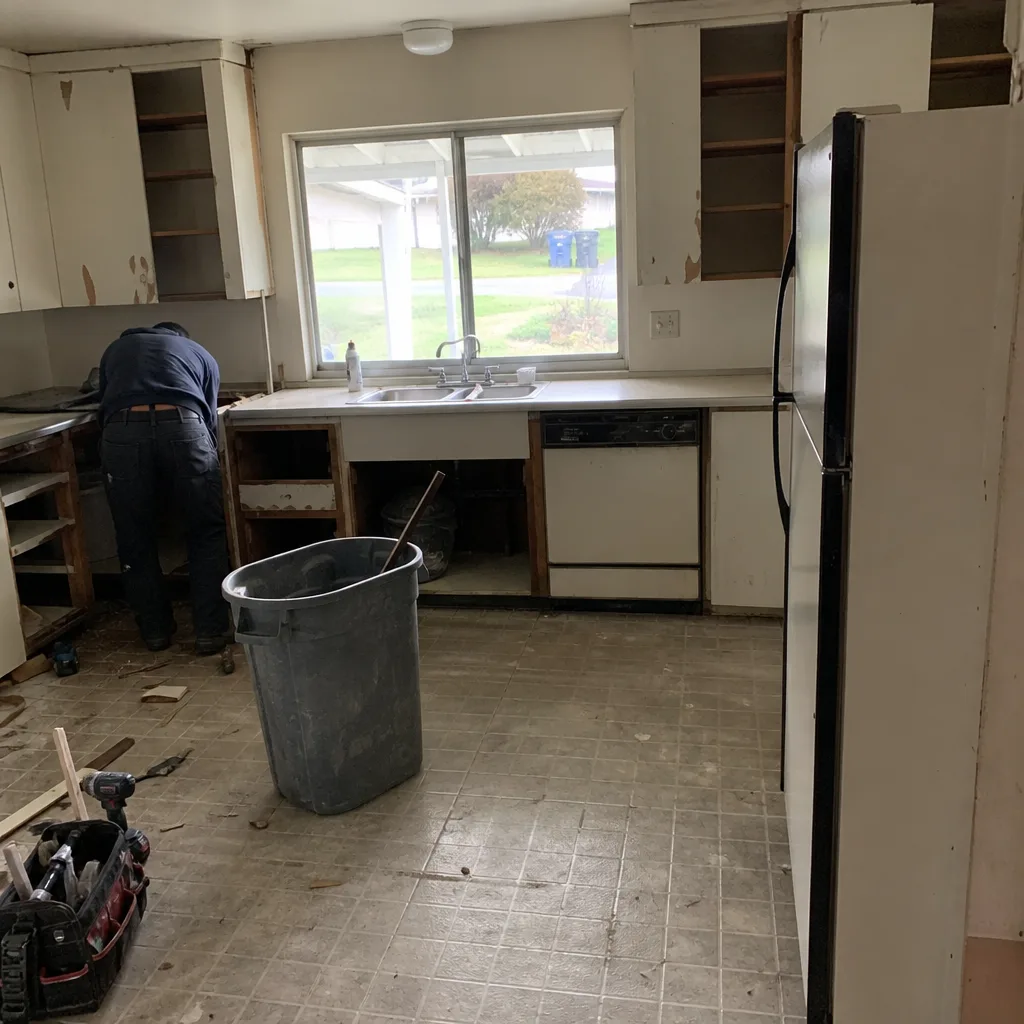 Before
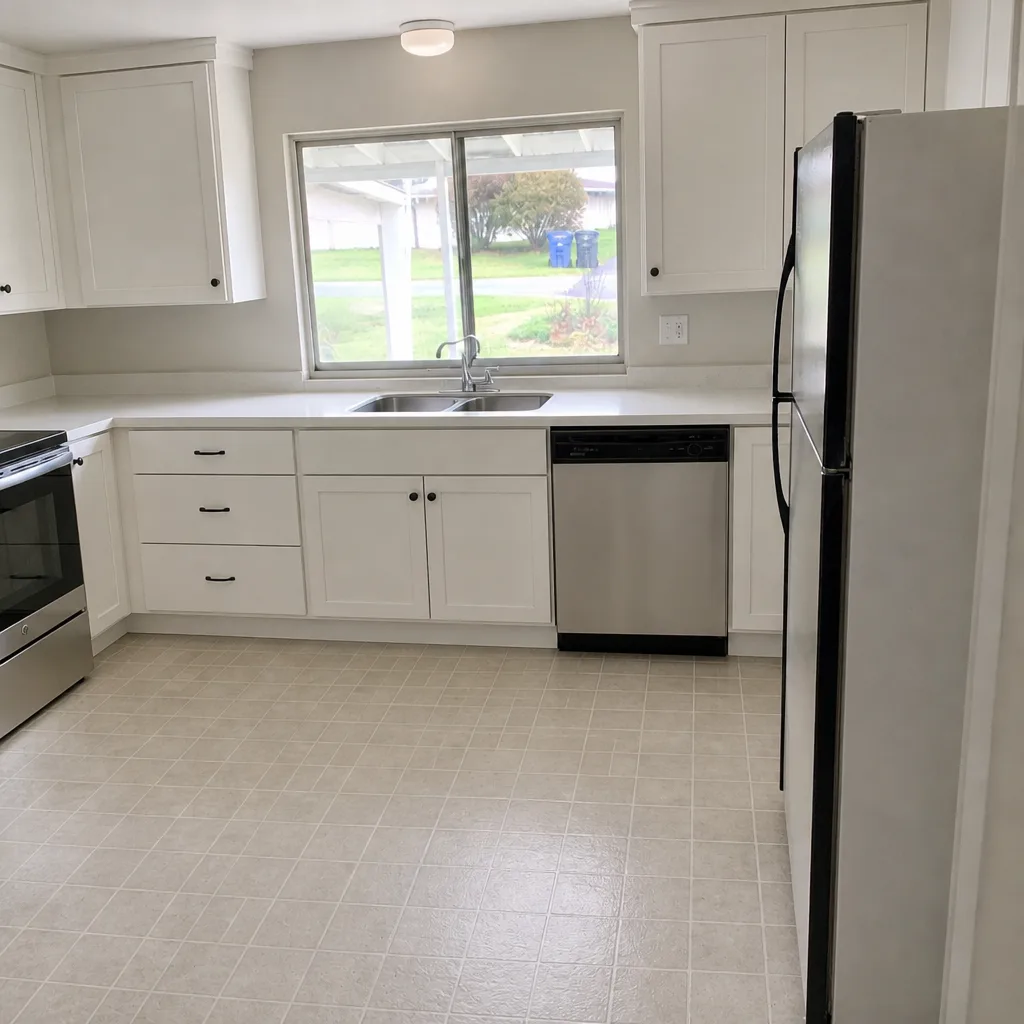 After
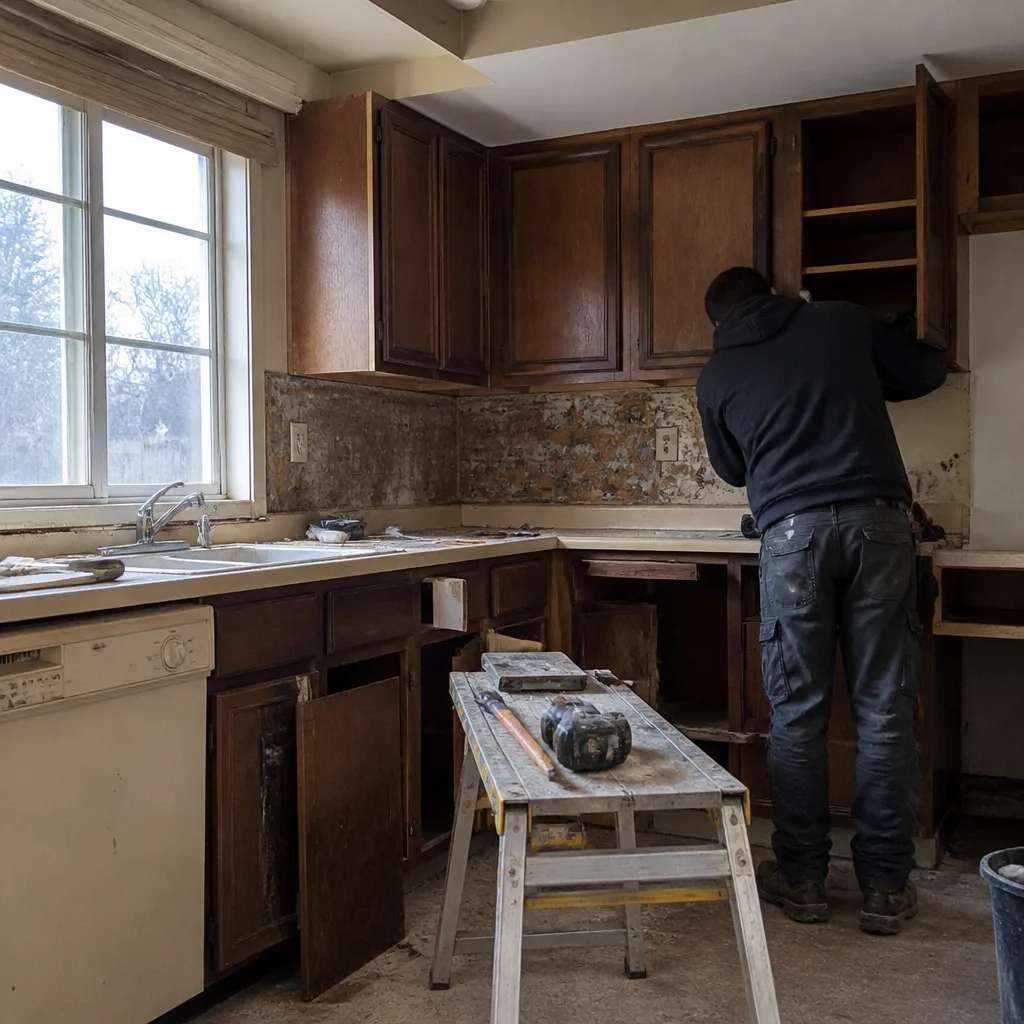 Before
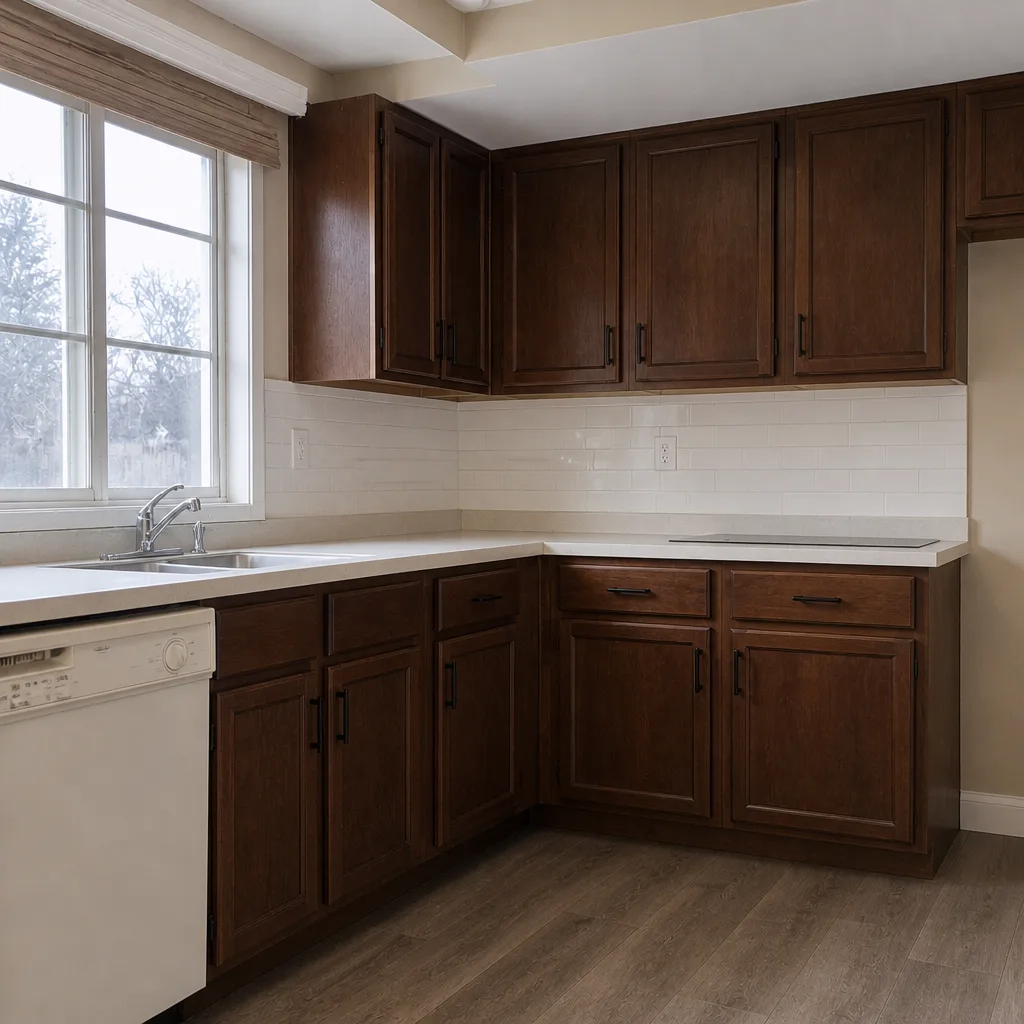 After
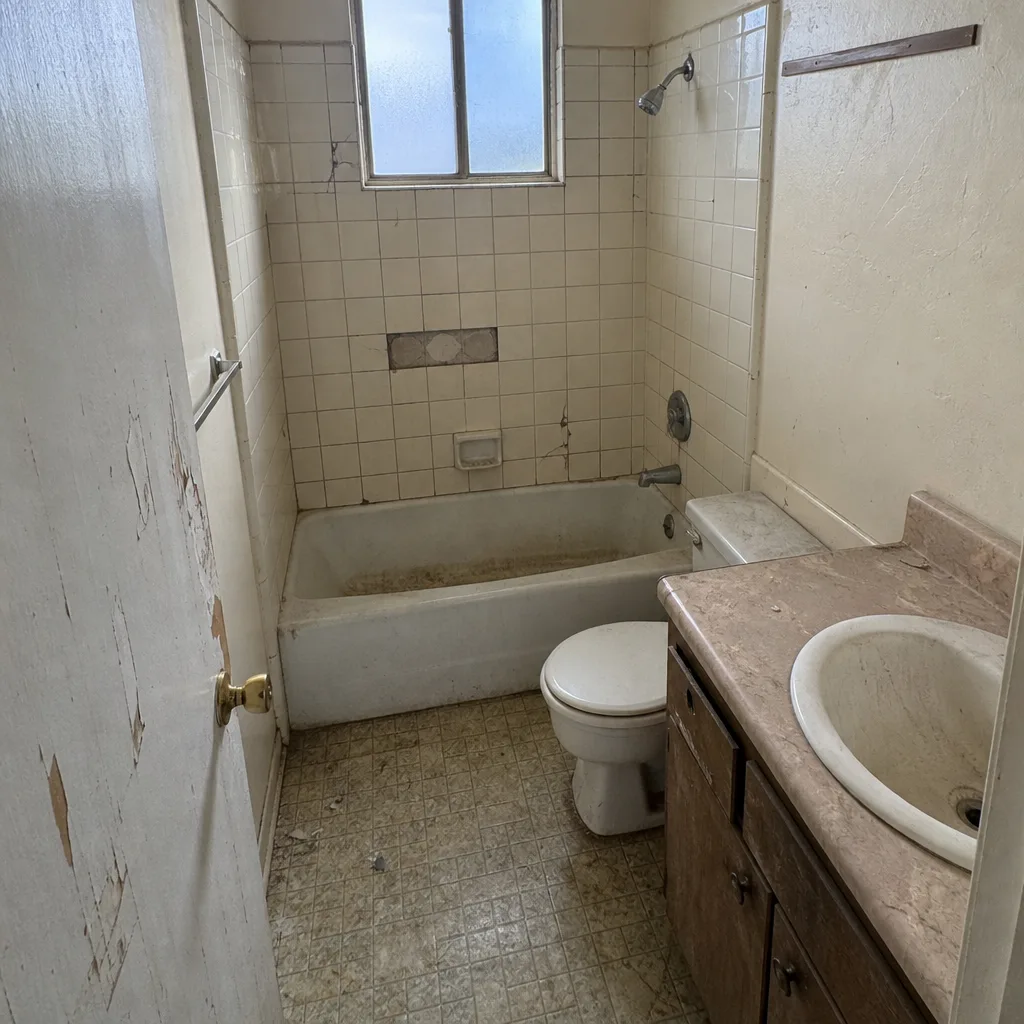 Before
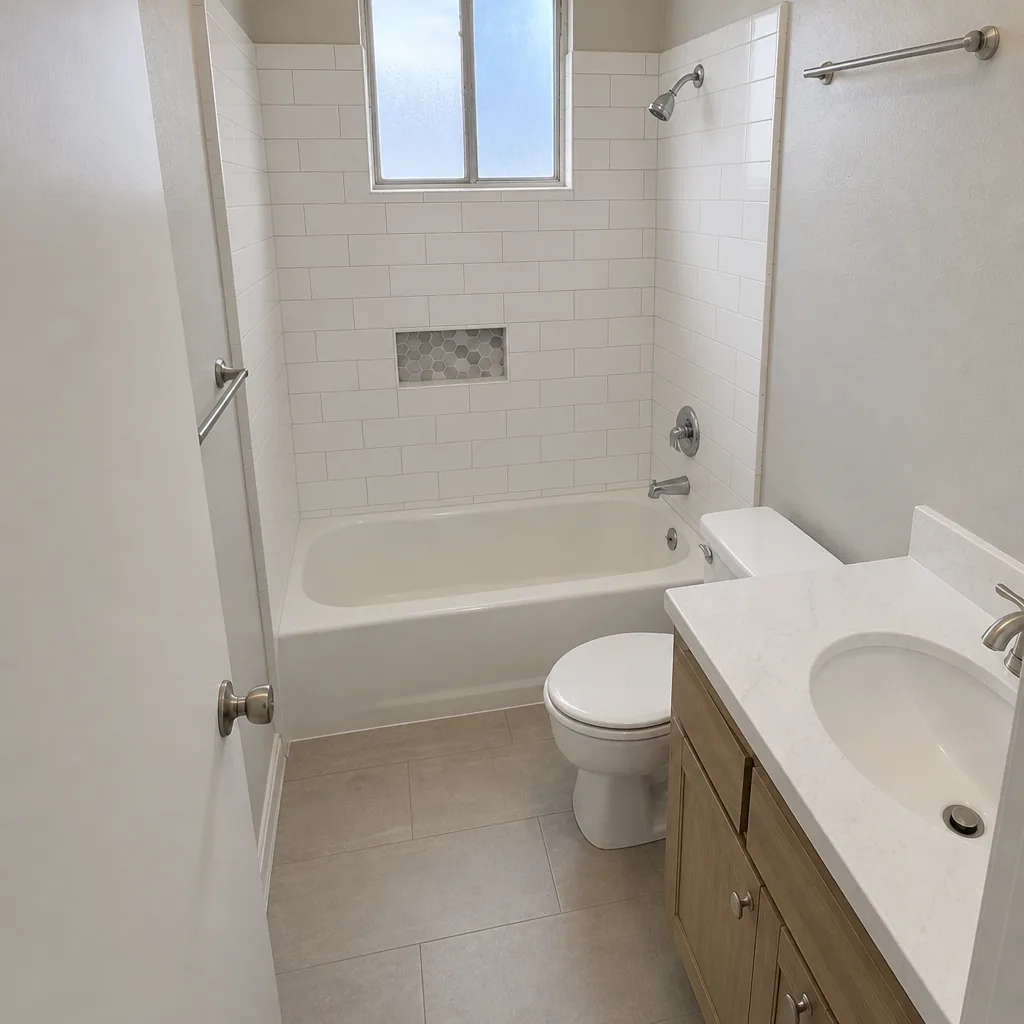 After
When to Call a Professional

Call a professional in Redmond when the work involves a permit, waterproofing, structural alteration, gas, electrical service, or exterior envelope work. Call us even earlier if the scope is multi-trade, because the coordination cost between a plumber, an electrician, a tiler, and a painter is where the schedule breaks on self-managed projects. Our free estimates walk the actual scope and put it in writing, line by line, so you can compare it against your own time-and-cost math without our spec being the only number on the table.
The clearest case for calling: the project is on the critical path to a sale, a household event, or a plumbing failure. If the timeline is firm, the DIY schedule is the least predictable part of the equation. Remodeling Redmond offers free estimates in Redmond – call (425) 675-1664 to schedule yours. We answer 24/7. Fast dispatch from 7am to 7pm, Sunday through Friday.
Frequently Asked Questions
Yes, in many cases. Washington’s homeowner exemption allows owner-occupants to pull permits and self-perform work on their own residence, provided the work meets code and doesn’t fall into licensed-only categories. Gas piping, electrical service work, and most structural changes fall outside the exemption. Cosmetic work typically requires no permit at all. Call (425) 675-1664 if you want a professional read on whether your specific scope is DIY-permissible in Redmond.
Gas piping, electrical service upgrades and panel replacements, and most structural alterations require a licensed contractor. Work on rental or investment property also requires a registered contractor, since the homeowner exemption applies to owner-occupied residences. If you’re buying a home with unpermitted work, the lender’s appraiser may flag it, and the disclosure math changes.
Not automatically, but coverage gets narrower. Insurance generally excludes long-term maintenance failures, and a slow leak from a DIY shower may be classified that way. If a licensed contractor installed the work and it failed due to workmanship, you have recourse against the contractor. With DIY, you don’t. This is the single most overlooked cost in the DIY decision.
Professional labor and permit on a typical Redmond bathroom tile project typically runs an estimated $2,800-$6,900 with materials separate. DIY materials run $800-$2,200 plus $500-$1,500 in tools if you don’t own them, plus 40-80 hours of your time, plus a real redo risk on the waterproofing. Once the time is priced, the numbers are much closer than they look. Call (425) 675-1664 for an exact quote on your project – estimates are free.
In many cases yes, with two conditions: the material choices need to work with the assembly, and any defective material supplied by a homeowner causes a schedule delay. The better path for most Redmond projects is to choose from the brands we already work with – KraftMaid, Wellborn, Kohler, Cambria, Silestone, and so on – so we order correctly and install under one warranty. Ask about it on the estimate call.
The permit stays open, you correct the work and request re-inspection. That’s not the expensive part. The expensive part is if the work was covered up – tile set over a failed waterproofing, drywall over rough plumbing – and you find out years later. A failed inspection on an exposed rough-in is a schedule issue; a hidden failure is a reconstruction. Call (425) 675-1664 before you cover anything up.
The Bottom Line

The DIY question in Redmond isn’t about whether you’re skilled enough. It’s about what happens on the other side of the work: the inspection, the insurance claim, the disclosure at resale. Cosmetic, non-permitted, low-moisture work is genuinely DIY territory and we’ll tell you so. Waterproofing, structural, gas, electrical service, and anything that goes behind the building envelope isn’t, and the failure modes compound. Washington’s homeowner exemption is broad enough to let you do a lot of things yourself and narrow enough that the things it protects you on are exactly the things most likely to be low-risk. Pick accordingly, and price your own time honestly in the math. If the numbers are close, call us and compare.
Call (425) 675-1664 for a free estimate on any Redmond project. We answer 24/7. Fast dispatch from 7am to 7pm, Sunday through Friday. Written line-item quotes, permits pulled and inspections passed, and one team on the project from demolition to final coat.
Written by the team at Remodeling Redmond.