
Last updated November 25, 2026





Free written scope consultation - allowances, timeline, and change-order rules on paper before a single trade is scheduled
How to Hire a Construction Contractor in Redmond: A Step-by-Step Guide
Most homeowners in Redmond prepare for a contractor search by researching background checks. That’s the wrong focus. In our experience, the disputes that reach the state’s complaint database usually aren’t about a contractor vanishing with a deposit. They’re about work that was completed exactly as the contract described it, then failed to match what the homeowner thought was implied. The gap between “tile backsplash” on a signed page and the specific tile, thickness, and installation method the homeowner pictured is where remodeling budgets go to die. This guide shifts the emphasis from vetting to contract architecture. You’ll learn what a registration lookup actually tells you, which clauses prevent allowance games, why a material spec sheet matters more than a portfolio, and how to structure payments around inspections instead of dates. Redmond homes come with their own complications, and we’ll cover those too. By the end, you’ll know what to put in writing before you sign.
Quick Answer
To hire a construction contractor in Redmond, verify the contractor’s Washington State registration through the Department of Labor & Industries UBI lookup, confirm what their bond and insurance actually cover, and then compare three bids on the same written scope. Read every contract for allowance amounts, change-order terms, and payment milestones tied to inspections, not calendar dates. A complete material specification sheet before signing is the single best signal that you’re talking to a trade-fluent contractor rather than someone outsourcing the knowledge.
Styles & brands we work with
- Kitchen remodeling
- Bathroom remodeling
- Home additions & ADU
- Roofing
- Windows & doors
- Driveway & pavers
- Fence
Table of Contents
- How do you verify a contractor’s registration in Washington State?
- What does a contractor’s bond actually cover, and what doesn’t it?
- Why a material spec sheet belongs in the contract
- How do allowance games inflate a low bid?
- Which Redmond projects need permits, and why that matters
- How should you structure a payment schedule?
- Reading Redmond’s remodeling market
- How do you compare bids without getting played?
How do you verify a contractor’s registration in Washington State?
Start with the Department of Labor & Industries registration lookup before you meet a contractor in person. Every registered construction contractor in Washington has a UBI number, and the lookup shows their registration status, the bond on file, and any complaints that resulted in a violation. It takes about two minutes and eliminates half the process.
The registration status itself is the baseline: if the number doesn’t match the business name on the proposal, stop. The public record is the one part of this process you can verify without the contractor’s cooperation, so treat it as a floor, not a ceiling.
What the lookup will tell you:
- Whether the registration is active or suspended (a suspended registration means the contractor can’t legally take your project)
- Which insurance is current at the time you check
- The bond amount on file
- Complaint history that led to a citation
What it won’t tell you:
- Whether the contractor’s scoping is thorough enough to protect your budget
- Whether the material specifications will match what you picture
- Whether the project will need a permit it doesn’t have a plan for
- Whether the crew is on payroll or split between jobs
In our experience, a clean lookup gets a homeowner’s attention off compliance and onto scope. That’s where a Redmond remodel is actually won or lost. The state protects you against unregistered work, not against underspecified work.
What does a contractor’s bond actually cover, and what doesn’t it?
A Washington contractor’s bond is a consumer protection instrument, and its scope is narrower than the amount suggests. The bond is meant to cover certain claims, not to fund a full remodel if the contractor walks. Homeowners routinely assume the bond number on the proposal represents a project fund. It isn’t.
What the bond typically responds to:
- Failure to perform the work in accordance with the contract
- Certain code violations
- Some claims of improper workmanship that breach the contract
What the bond does not cover:
- The full contract value of a stalled project
- Rising material costs if a project runs long
- Damage that exceeds the bond amount
- A dispute over a material specification that the contract never named
General liability insurance is a separate line and worth confirming in writing at the start of the project. The certificate should name the legal business entity that will sign your contract.
Bond coverage is the reason contract specificity matters more, not less. If a dispute reaches the point of an insurance or bond claim, what gets decided is the document you signed. In a Redmond remodel, a bond and a registration are the entry fee. A material spec sheet and inspection-tied payments are the protection.
Why a material spec sheet belongs in the contract
Ask any contractor bidding on your project for a material specification sheet before signing. The response separates the trade-fluent from the estimators. A contractor who has spent years choosing and installing materials will hand you a document naming brands, product lines, and installation methods. A contractor who is paraphrasing a catalog will hand you categories.
Here’s what the difference looks like in practice. On a kitchen, “quartz countertops” is a category. “Cambria quartz, chosen from the current line, templated after cabinetry is set” is a specification. On a bath, “designer plumbing fixtures” is a category. A toilet from Kohler, Toto, or American Standard is a decision, and the three are not interchangeable on rough-in, finish, or price. On the exterior, “new siding” is a category. “James Hardie fiber cement, installed to manufacturer’s fastening schedule” is a specification.
The full sheet should name:
- Cabinetry: brand and door style. Semi-custom versus custom matters on site conditions, not just cost.
- Countertops: brand and stone. Cambria, Silestone, and Caesarstone are all quartz surfaces and all perform differently under edge profiles and seam layouts.
- Plumbing fittings: brand and model line. Kohler, Moen, Grohe, Delta, Blanco, Toto, American Standard, and Sterling cover a wide range of price points. Name the one you’re buying.
- Tile and flooring: tile format, grout, and whether the installation uses a Schluter-system membrane.
- Roofing: shingle line among GAF, CertainTeed, Owens Corning, IKO, Atlas, or Tamko, plus underlayment.
- Windows and doors: system and series. PGT, CGI, ES Windows, ECO Window Systems, Therma-Tru, and ViewLux are all in the mix here.
- Paint and exterior: product line and sheen, and substrate prep.
A trade-fluent contractor builds the spec sheet with you. At Remodeling Redmond, we bring the multi-brand catalog to the first conversation so you’re choosing between Cambria and Silestone rather than waiting to find out what’s in the bid. That process protects your budget because every brand and finish decision is priced before the contract is signed. It also stops the allowance loop that eats into project timelines.
How do allowance games inflate a low bid?
An allowance is a placeholder dollar figure a contractor puts in the bid for a material the homeowner hasn’t chosen yet. It’s not inherently dishonest. The problem is when the bid uses an unrealistically low allowance to undercut competitors, knowing the homeowner will spend more once selections get real.
The pattern looks like this:
- A contractor bids $8,000 in allowances for tile, fixtures, and countertops on a bathroom.
- The homeowner accepts based on total project price.
- The homeowner selects tiles and fixtures at a showroom and the real cost lands at $14,000.
- The contract’s change-order terms pass the difference to the homeowner.
Nothing in that sequence is illegal. It is the direct result of a bid that never defined the material grade. The homeowner was comparing totals, not specs.
Clauses that prevent the problem:
- Named allowances: every allowance in the contract should carry a product name, a specific line, and a stated allowance amount. “Tile allowance: $3,500 for Schluter-installed porcelain, floor and wall” gives you a benchmark. “Tile allowance: TBD” doesn’t.
- Change-order terms: the contract should specify how changes are priced and who signs off. Look for labor rate, markup, and whether the change order triggers a schedule shift.
- Allowance overflow cap: ask whether the contractor will cap their own markup on allowance overages. Some will, and it’s a useful differentiator on a Redmond remodel where the homeowner is planning a kitchen or bath with premium fixtures.
- Material-tier clarity: confirm the bid is scoped to your target tier. Kohler and American Standard both work. The bid should say which.
When a bid comes in well below the others, ask to see the spec sheet. The differential is almost always the material grade, not the labor. Sometimes a fair comparison just requires the lower bidder to raise their allowances to your actual tier. Once they do, compare again.
Which Redmond projects need permits, and why that matters
Ask any contractor you’re considering whether they’ll pull the permit, and whether the permit will be in your name or theirs. The correct answer depends on the project, but the wrong answer is “we don’t need a permit for that” on work that clearly requires one. Most cities require permits for structural changes, additions, ADU conversions, and any work affecting electrical, plumbing, or mechanical systems. Redmond is no exception.
Two Redmond-specific situations deserve extra attention during the vetting process:
ADU conversions. Eastside cities have made accessory dwelling units a real housing option, and the prefab market has responded with manufacturers like Abodu, Cover, Dvele, and Mighty Buildings. Whatever path you take, the installation and site work still require permits, and the utility connections absolutely do. A contractor who treats an ADU as an “installed product” without a plan for permitting is one you should walk away from.
Pre-1980 homes. Older homes around Redmond often have construction details that a permit inspection will surface: framing that doesn’t match typical conventions, undersized electrical service for a modern kitchen, or an unpermitted addition from decades past. A structural change in an older home can reveal more than the original scope described. The permit process is the mechanism that catches it before drywall goes up. That same process is why we recommend structuring payments around inspection milestones.
Ask to see the permit application before demolition starts. A contractor who says the permit is “in process” on demo day is telling you something. A contractor who hands you the permit number before the dumpster arrives is doing the work in sequence.
How should you structure a payment schedule?
Structure your payment schedule around inspection milestones, not calendar dates. A date-based schedule rewards a contractor for starting on time regardless of progress. An inspection-based schedule rewards passing the inspections that prove progress. For a kitchen or bath in Redmond, the difference between those two structures can be five figures of exposure.
What a schedule tied to inspections looks like:
- Deposit at signing: a modest deposit covering mobilization and material ordering. Small enough that you’re not exposed if the relationship goes sideways in week one.
- Rough-in milestones: payment on completion of rough framing, rough electrical, and rough plumbing, with the city’s rough inspection passed first.
- Insulation and drywall: payment on completed drywall and passed framing inspection.
- Cabinetry and countertops: payment when cabinetry is set and countertops are templated or installed, per the spec sheet.
- Tile and finish: payment at tile completion, before paint and final trim.
- Final inspection: payment on the passed final inspection and completion of the punch list.
Concrete contract language prevents the schedule from becoming a moving target. The contract should name each milestone, state the payment amount, and tie the trigger to an inspection outcome rather than a “roughly 30 days after start” clause. Include a retainage clause on the final 5 to 10 percent, released after the punch list is complete.
One more provision worth adding: what happens if material lead times push the schedule. Cabinet lines, in particular, can shift. Confirm in writing how the schedule responds and whether the payment milestones stay on inspection triggers. Our technicians have up to 13 years of experience with these schedules and the material selections that keep them on track, and that experience is why we write the schedule this way in our own contracts.
Reading Redmond’s remodeling market
Redmond’s remodeling market behaves differently depending on where in the city you live. The market price for a bathroom remodel in a 1980s home near downtown Redmond differs from a similar project in Education Hill or on Union Hill, mostly because of access, substrate conditions, and the way older construction meets modern materials. Treat any published range as a starting point and expect the written estimate, not a webpage, to set your final number.
Seasonal context matters for scheduling. Redmond sits in a climate where wet winters and shoulder seasons push exterior work into a specific window. Roofing, siding, painting, and window replacements all compete for the same good-weather months. Schedule-conscious homeowners plan interiors for winter and exteriors for summer, not the reverse. If your project includes both a kitchen and an exterior refresh, expect a phased approach rather than a parallel one.
Two other patterns worth noting if you’re comparing proposals in Redmond:
- Single-contractor coverage versus specialty subcontracting. A good remodel is a series of trades working in sequence. The bid that covers everything under one contract is easier to manage, but the material depth matters more than the contract structure. A contractor with access to KraftMaid and Wellborn cabinetry, three countertop brands, and eight plumbing fixture lines is one you can stay with from demolition to paint. A contractor with one cabinetry line is likely to push that line onto every project.
- Flooring and painting as core services versus afterthoughts. A contractor who bids floor installation and painting as an add-on at the end of a project will usually subcontract it out. Ask whether these services are handled in-house alongside the remodel. A Schluter-system tile installation and a fully prepped interior/exterior paint job belong in the primary scope, not tacked on.
This is where the home remodeling conversation starts, in our experience. The material choices and the schedule are the same conversation, not two.
How do you compare bids without getting played?
Bid comparison fails when bids are on different scopes. The fix is straightforward: get three contractors pricing the same written scope, or at minimum, tax each proposal on the same questions. Sending each bidder a one-page “project description” that names the rooms, the rough dimensions, the finish tier, and your target timeline makes the comparison real.
Questions to ask every bidder, in writing:
- Which material brands and product lines does the attached spec sheet name, and which of those are allowances?
- Who pulls the permit, and what is the permit timeline for Redmond?
- What is the change-order process, including who signs and how overages are priced?
- Which trades does the contractor perform in-house and which are subcontracted?
- What is the warranty on workmanship, and what is the manufacturer’s warranty on the products specified?
- What is the payment schedule, and is it tied to inspections or dates?
- Which of the finishes below are included at each bid tier, and what is the delta to move up a tier?
Then normalize the numbers. If one bid is 20 percent below the others, compare the spec sheets first. The pricing gap is usually the difference between a mid-range fixture package and a premium one. Tier flexibility is a real advantage in a bid, provided the tier is named on paper.
The kitchen remodeling page walks through what a material-tier comparison looks like end to end, if you want to see the structure before you take it to another bidder. The same exercise applies to a bathroom remodeling project.
Common Mistakes to Avoid
- Comparing totals without comparing scopes. A bid is only readable against another bid on the same written document. If the spec sheets don’t match, the total price is not comparable.
- Accepting a bid with unnamed allowances. “Countertop allowance: TBD” is the single biggest predictor of a change order later. Insist on a named product line, a dollar amount, and a cap on markup.
- Skipping the permit question on ADU or structural work. Redmond ADU conversions and structural changes in pre-1980 homes go through the city’s permit process. A contractor who bypasses it is telling you what the rest of the project will look like.
- Paying on calendar dates instead of inspections. A date-based schedule rewards starting, not finishing. Tying payments to passed inspections aligns the contractor’s cash flow with actual progress.
- Treating the bond as a project fund. The bond has a specific and limited scope. It protects you against certain claims. It doesn’t underwrite your remodel.
- Accepting a verbal spec sheet. If the contractor can describe the Cambria edge profile and the Toto rough-in on the phone but won’t put them on paper, the descriptions are concept, not contract. Written specs are the version that survives a dispute.
- Ignoring the seasonal schedule. Exterior work in Redmond competes for the same good-weather months across roofing, siding, painting, and windows. Sequencing the interior and exterior work correctly avoids the December deadline scramble.
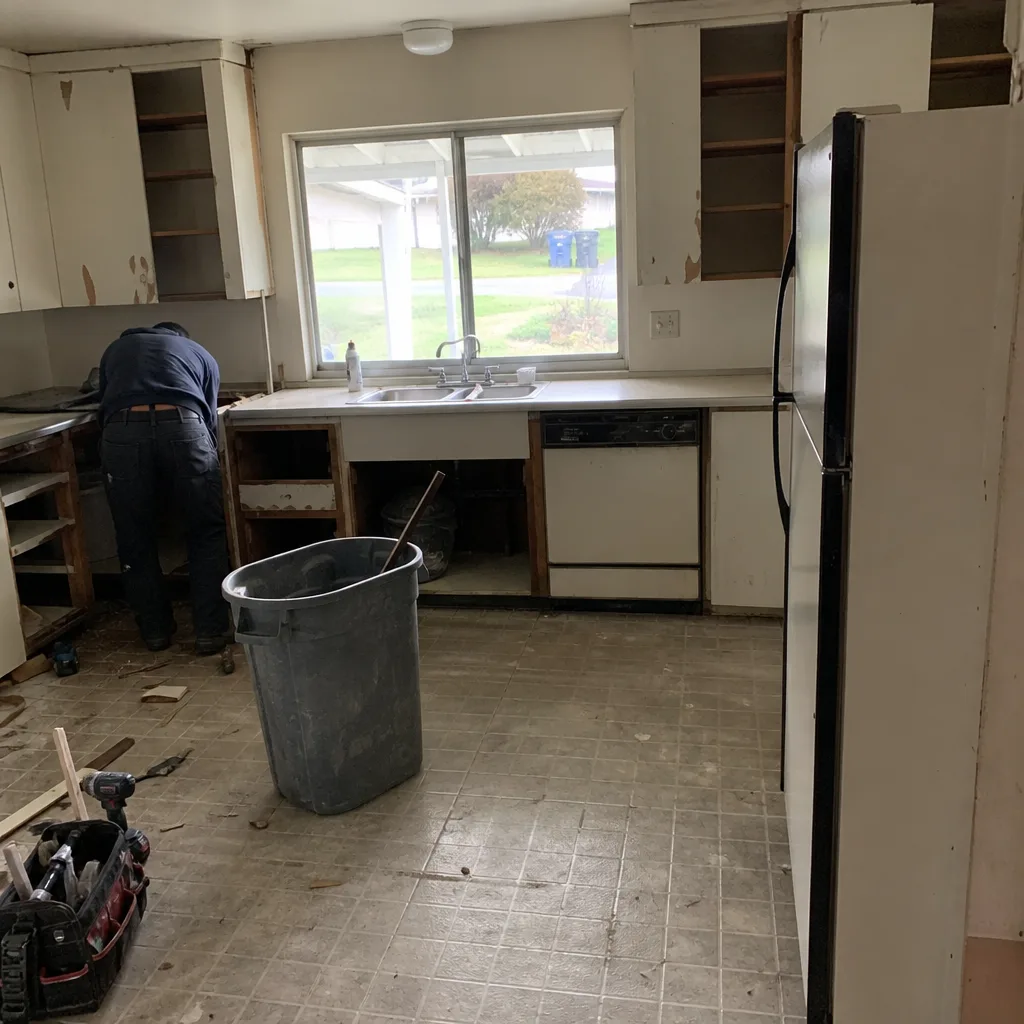
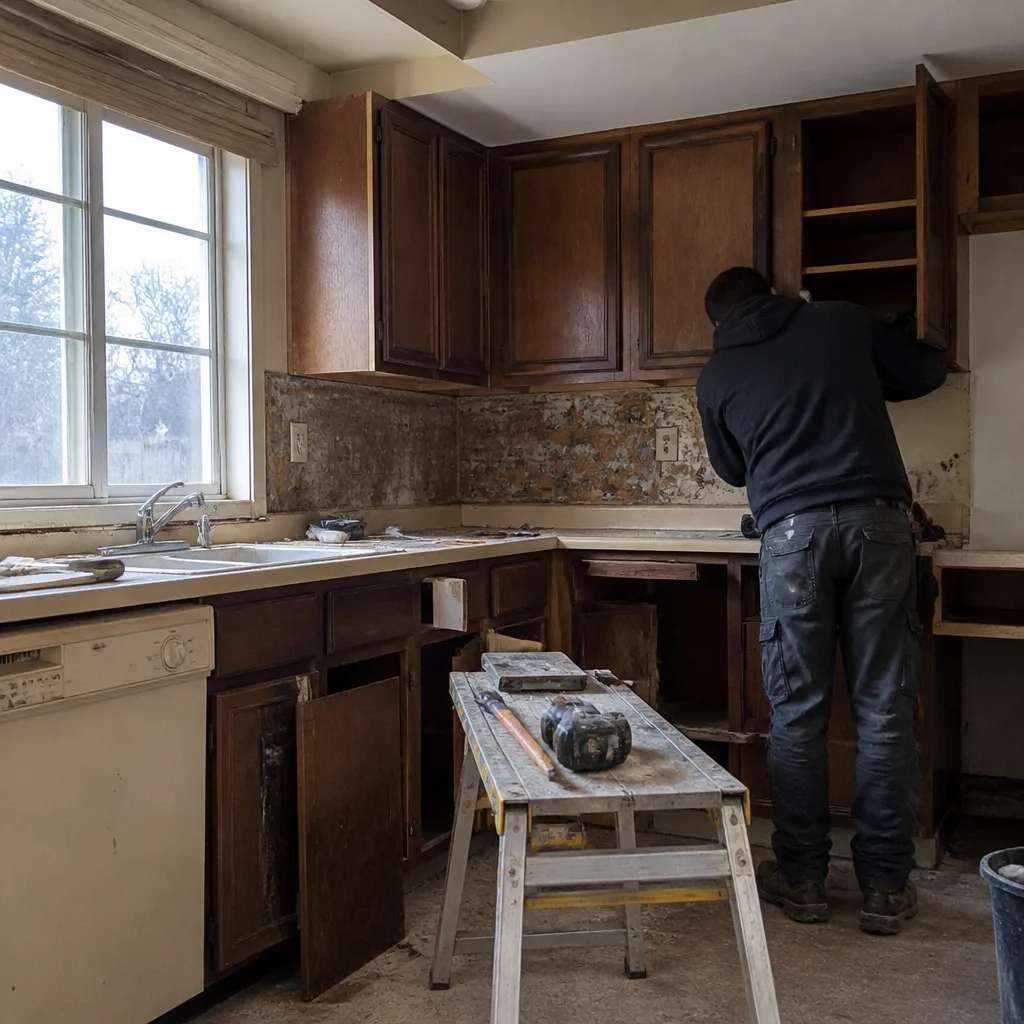
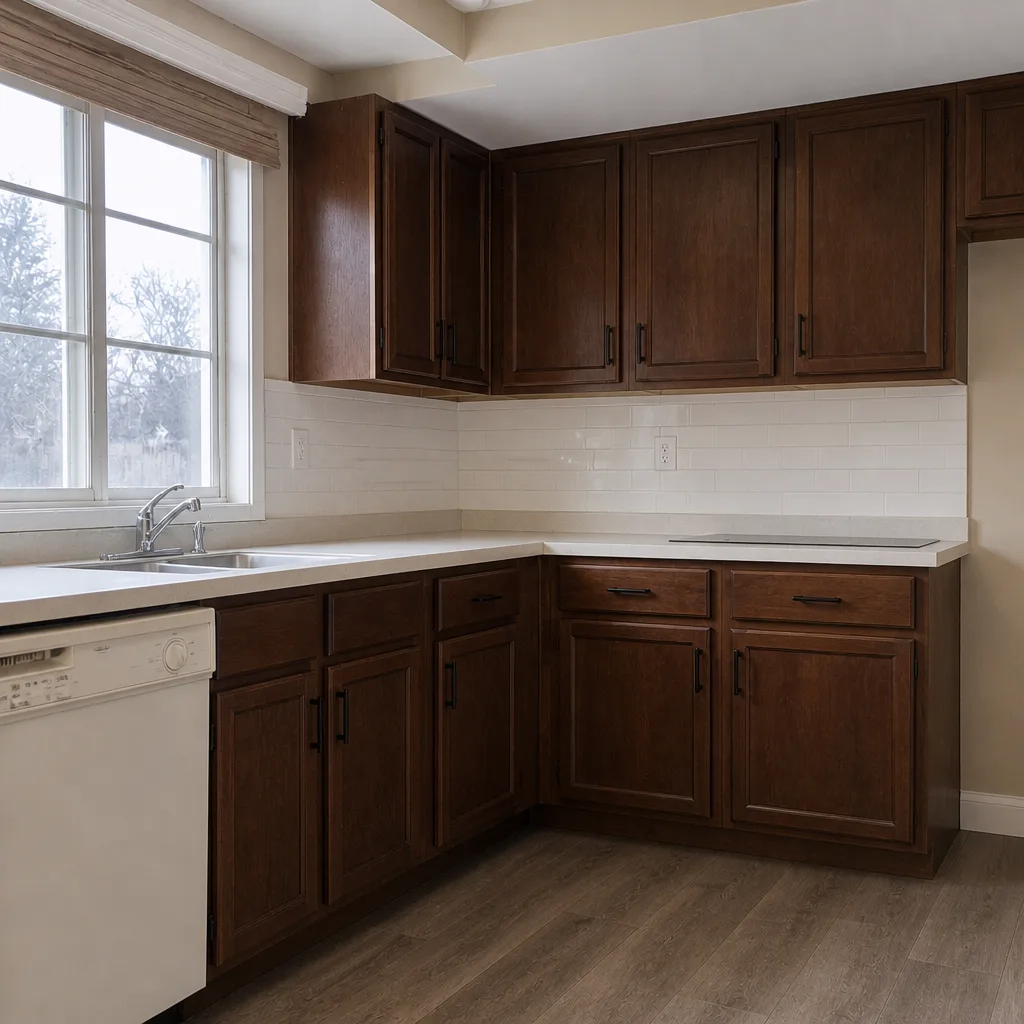
See the difference
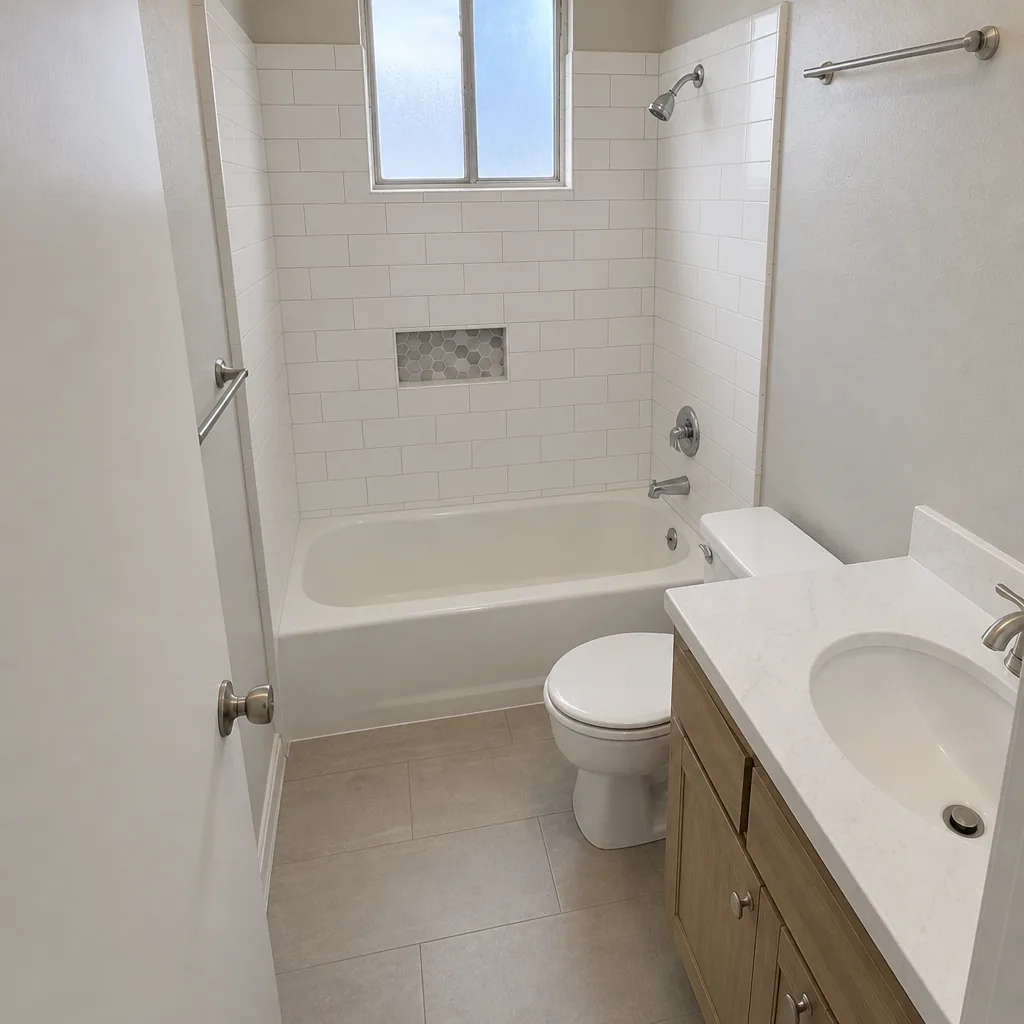
 Before
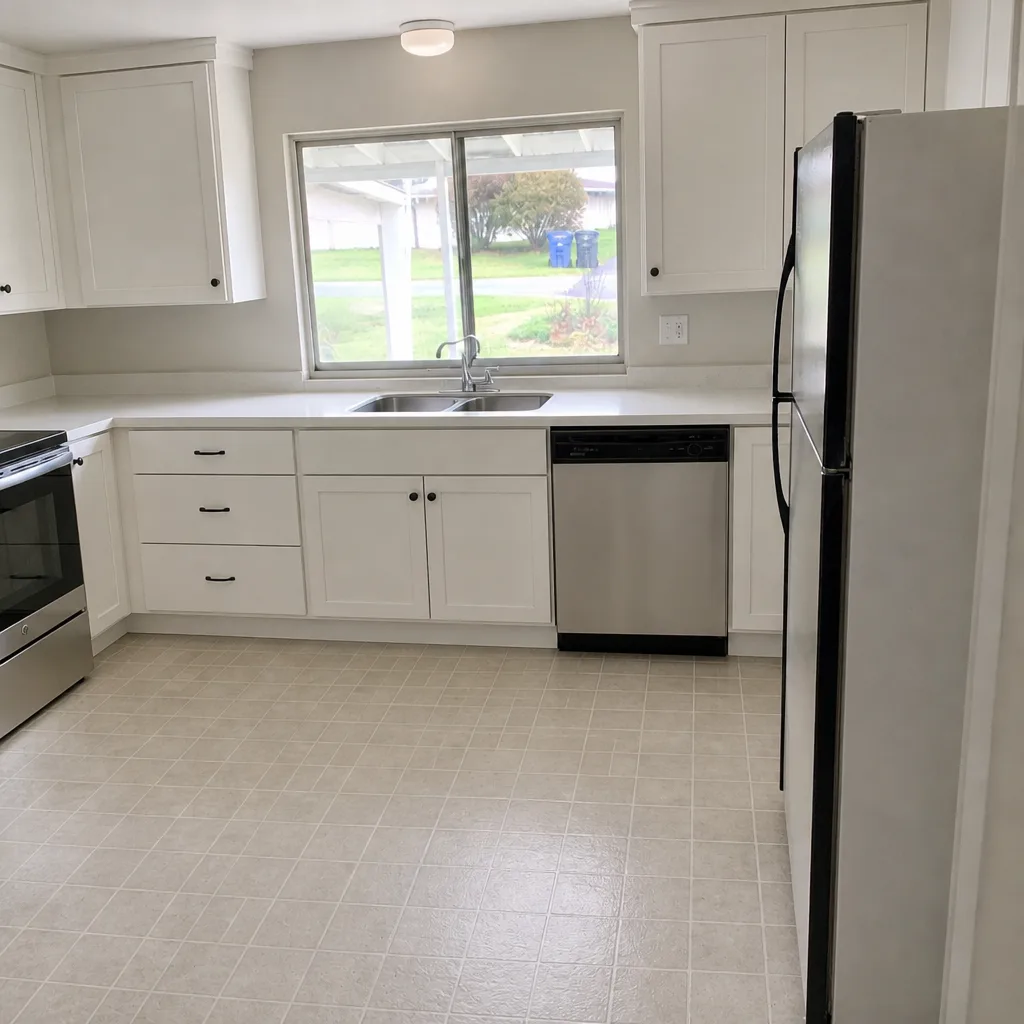 After
 Before
 After
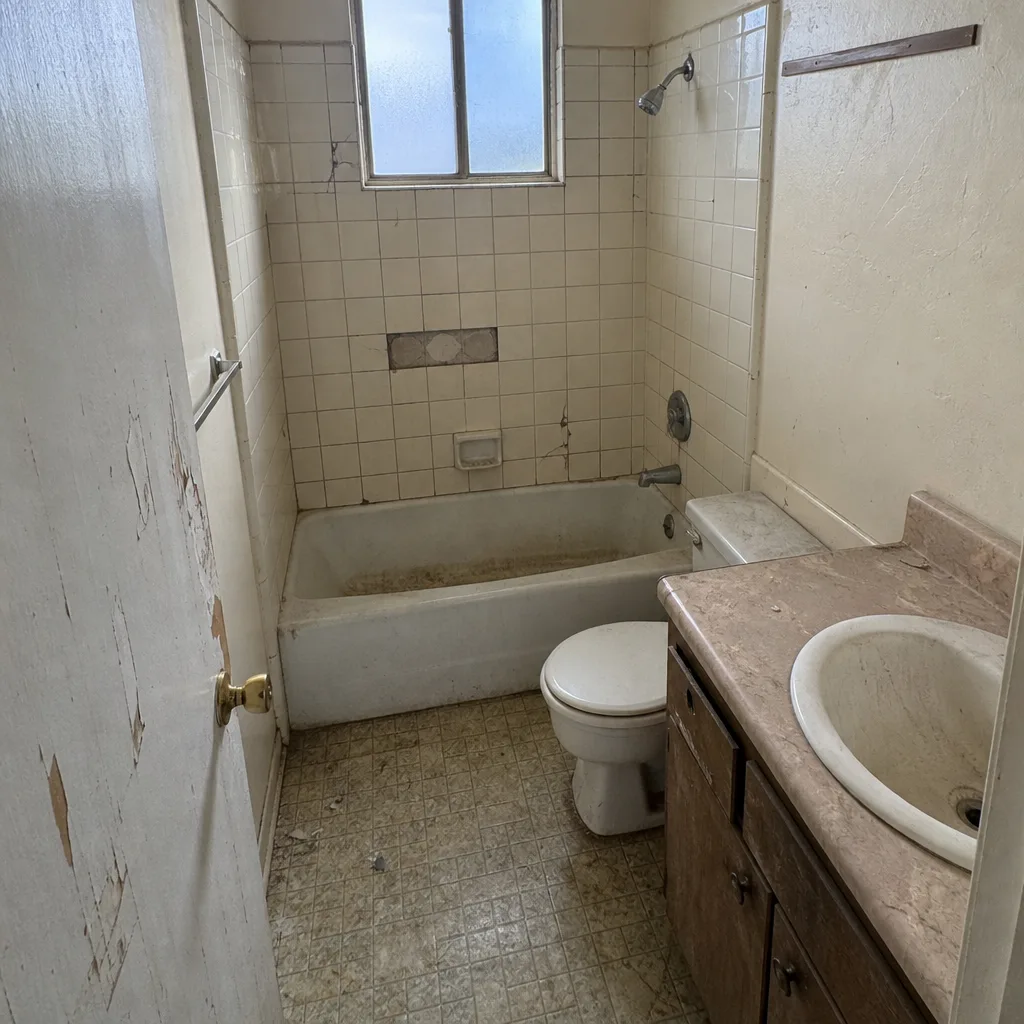 Before
 After
When to Call a Professional
Call a professional when the scope touches structural framing, electrical, plumbing, gas, or anything that needs a permit. Also call when the project is a full kitchen or bath where the material decisions and the installation have to be priced together, not in sequence. Prefab ADU installations from manufacturers like Cover, Dvele, or Mighty Buildings still need a professional for site work, utility connections, and inspections. Older Redmond homes with framing that predates modern code deserve a professional walkthrough before any wall opens. Remodeling Redmond offers free estimates in Redmond. Call (425) 675-1664 to schedule yours.
Frequently Asked Questions

Look up the contractor’s UBI number in the Washington State Department of Labor & Industries contractor registration database and confirm the business name matches the proposal. The lookup shows registration status, bond, and any complaint history that resulted in a violation. If the number and business name don’t match, stop there. Call (425) 675-1664 for an exact quote on your project; estimates are free.
Most kitchen and bathroom remodels that touch electrical, plumbing, or mechanical systems do need permits, and any structural change always does. The right question for a bidder is which permits they plan to pull and when. Redmond’s permitting timeline is part of the project schedule, so confirm it early. Call (425) 675-1664 to walk through your project’s permit scope with us.
An allowance is a placeholder dollar figure for a material the homeowner hasn’t chosen. It’s not dishonest by design, but the number matters: too low and the homeowner pays more in change orders later. The fix is a named allowance with a dollar amount and a cap on markup. Call (425) 675-1664 for a written line-item quote where every allowance is named.
The bond is a consumer protection instrument that responds to certain claims, including failure to perform per the contract, but it does not fund the full contract value of a stalled project. It’s a limited safety net, not a project fund. Confirm the general liability certificate separately and make sure the legal business entity matches your contract. Call (425) 675-1664 for a free estimate.
Tie payments to passed inspections and completion milestones, not calendar dates. A modest deposit at signing, followed by payments triggered by rough-in, drywall, cabinetry, tile, and the final inspection, keeps your cash flow aligned with actual progress. Retain the last 5 to 10 percent until the punch list clears. Call (425) 675-1664 for a free estimate and a sample schedule.
The bid numbers the labor and the allowances. The spec sheet names the actual materials: which cabinetry line, which countertop brand, which plumbing fixture. A bid without a spec sheet isn’t a comparable bid. Ask both documents in writing before signing. Call (425) 675-1664 for a free estimate that comes with a full spec sheet.
The differential is almost always the material grade, the allowance amounts, and whether the contractor is pricing trades in-house or subcontracting them. Compare the spec sheets before comparing the totals. Call (425) 675-1664 for a free estimate you can compare on the same scope.
The Bottom Line
Hiring a construction contractor in Redmond is a scoping exercise dressed up as a vetting exercise. The registration lookup, the bond, and the insurance are the floor. The contract is what protects you. Name the materials, set the allowances at real prices, tie payments to inspections, and confirm every permit is pulled before demolition. A thorough spec sheet separates the trade-fluent contractors from the ones quoting from memory. Our technicians have up to 13 years of experience with these projects and know which material decisions hold up long after the truck leaves. Call (425) 675-1664 to schedule your free estimate. We answer 24/7. Fast dispatch from 7am to 7pm, Sunday through Friday.
Written by the team at Remodeling Redmond.