
Last updated November 25, 2026








Free written scope consultation - allowances, timeline, and change-order rules on paper before a single trade is scheduled
Home Remodeling Maintenance Checklist for Redmond Homeowners
Most maintenance checklists floating around the internet were written for a house in a generic climate that doesn’t exist. Redmond is not generic. The ground here is expansive clay, the wet season runs for months, and the freeze-thaw line sits close enough to elevation that a hard winter finds every weak point in a home’s exterior. That combination changes what you should be checking and when. Spring isn’t the start of the maintenance calendar here; October is. In this guide we’ll walk through what actually degrades in a Redmond home, how to spot clay-soil movement before it becomes a structural problem, material-specific care cycles for the products common on the eastside, and how to maintain a home after a remodel rather than a new build. Whether you’re protecting a house you intend to keep for decades or preparing for a home remodeling project, the checklist below is built for the place you actually live.
Quick Answer
A Redmond homeowner’s maintenance checklist should prioritize the wet-season envelope first: roof, gutters, exterior caulk, and drainage, all inspected by early October before the rain settles in. Second, monitor for clay-soil movement at foundation corners and door frames, since the expansive soil under most Redmond properties shifts seasonally. Third, follow material-specific care cycles for the specific siding, windows, decking, and tile in your home, because a Hardie plank wall and a Milgard window don’t age the same way. Do the envelope and soil checks twice a year and the material checks on their own schedule, and most expensive failures get caught while they’re still cheap.
Styles & brands we work with
- Kitchen remodeling
- Bathroom remodeling
- Home additions & ADU
- Roofing
- Windows & doors
- Driveway & pavers
- Fence
Table of Contents
- Why Redmond Homes Need a Different Maintenance Calendar
- Reading Clay-Soil Movement Before It Becomes Structural
- Why October Is the Critical Inspection Window
- Material-Specific Maintenance Cycles for Redmond Homes
- Post-Remodel Maintenance: What Changes After the Work Is Done
- Which Tasks Require a Licensed Contractor in Washington
- The Two-Season Redmond Maintenance Calendar
- Common Mistakes to Avoid
Why Redmond Homes Need a Different Maintenance Calendar
Redmond sits in a climate that does two things to a house at once: it keeps the exterior wet for a large chunk of the year, and it moves the ground underneath the foundation. Neither of those is catastrophic on its own. Together they mean the standard “check your roof in spring, clean your gutters in fall” advice isn’t tight enough for an eastside property.
The wet season here is long. Rain falls on most days from October through the spring, and that’s the period when water is actively probing every gap in your envelope. A bead of caulk that’s starting to fail in August becomes a slow leak into a wall cavity by February. A gutter that sags slightly in dry weather becomes an overflow point once it’s carrying a season’s worth of debris.
The second factor is the soil. Much of the Redmond area sits on clay-heavy ground with high shrink-swell potential, which means it expands when saturated and contracts as it dries. A house on that ground experiences a foundation that’s gently pushed and pulled through the year. Most of the time the house absorbs it. Over many seasons, it shows up as cracks and separations.
- Wet-season exposure: months of moisture testing every seam, flashing, and sealant on the exterior.
- Freeze-thaw cycles: at the higher elevations around the eastside, water that gets into a crack expands when it freezes and widens the crack.
- Expansive clay: soil movement that stresses foundation walls, slabs, and the framing above them.
- Mild summers: the dry season is forgiving, which is exactly why it’s the window for inspection and repair, not the time to relax.
The practical takeaway: build your maintenance year around the wet season and the soil, not around a national template. Everything below flows from those two facts, and if you’re planning to remodel, understanding them before you tear into walls is the difference between a cosmetic refresh and fixing what’s actually failing. Our Remodeling Redmond team works on the eastside and sees the same patterns again and again: homes that were maintained on a generic schedule tend to hide the real issues until a project uncovers them.
Reading Clay-Soil Movement Before It Becomes Structural
Clay-soil movement in Redmond usually announces itself in small, checkable ways long before it becomes structural. You don’t need special tools to read the early signs; you need to know where to look and to look on a regular schedule, comparing what you see now to what you saw last season.
Start at the foundation corners. Walk the perimeter of the house and look closely at each corner and the midpoint of each long wall. Hairline cracks in a foundation wall aren’t automatically a crisis, but a crack that’s wider at one end than the other, or one that has visibly changed width since your last check, is worth a professional look. Take a photo each time so you have something to compare against.
- Check foundation corners and long walls. Look for stair-step cracks in concrete or mortar, and note any that are growing.
- Open and close the doors and windows on every floor. Doors that stick in one season and free up in another are a classic sign the structure is moving with the soil.
- Look at the corners of interior rooms. Cracks that radiate from the corner of a door frame or window opening in drywall suggest differential movement.
- Inspect the gap between the house and any attached concrete. Stoops, patios, and walks that have pulled away from the foundation point to soil movement below.
- Watch the grading around the foundation. Soil that slopes toward the house traps water against the foundation and amplifies the shrink-swell cycle.
The key word in all of this is change. A crack that’s been the same width for years is stable and usually cosmetic. A crack that’s wider than it was six months ago, or a door that newly sticks, is the signal to get an assessment. In our experience the homeowners who catch this early are the ones who set a calendar reminder to walk the perimeter twice a year and actually compare notes. It’s a fifteen-minute task that can save an enormous amount of grief. If a bathroom remodeling project is on your horizon, a pre-project foundation check is worth doing first, because a shower pan that’s been slowly separating from a moving floor is exactly the kind of thing that gets discovered mid-demolition.
Why October Is the Critical Inspection Window
In Redmond, the most important inspection window of the year is early October, not spring. The reason is simple: the wet season is about to start, and everything you inspect in October has to survive months of rain before you’ll look at it again with dry eyes. Spring inspections are useful, but they tell you what the winter already did. October inspections prevent the damage in the first place.
The October checklist focuses on the building envelope, the parts of the house that keep water out.
- Roof: Check for lifted, cracked, or missing shingles, and look at the flashing around chimneys, vents, and skylights. Flashing failures are far more common than shingle failures as a source of leaks.
- Gutters and downspouts: Clear debris, confirm the downspouts discharge well away from the foundation, and check that gutters aren’t pulling away from the fascia.
- Exterior caulk and sealant: Walk the perimeter and check every joint around windows, doors, and penetrations. Caulk that’s cracked or peeling needs to be cut out and replaced before the rain finds it.
- Paint and siding: Look for peeling paint, soft spots, and any place where water can get behind the siding.
- Window and door seals: Weatherstripping and thresholds on exterior doors should seal tightly. A gap at the bottom of a door is an invitation for wind-driven rain.
October is also the right time to check your drainage. Confirm that the ground slopes away from the foundation on all sides, that any French drains or surface drains are clear, and that water from the roof is being moved far enough from the house. On clay soil, water that pools against the foundation does double damage: it softens the soil and it drives the shrink-swell cycle that cracks walls.
Doing this inspection in October means you have time to schedule repairs before the weather closes in. If you find roofing or siding issues that need more than a patch, that’s a conversation to have early rather than in a January storm. And it’s a natural moment to think about the envelope as a system: siding, roofing, windows, and doors all work together, which is why a single contractor who handles James Hardie siding, GAF or CertainTeed roofing, and Therma-Tru doors can diagnose how the pieces are failing together instead of handing you off between trades.
Material-Specific Maintenance Cycles for Redmond Homes
Different materials age on different clocks, and Redmond’s climate stresses some more than others. A generic checklist treats “siding” as one item, but your Hardie plank, your Milgard windows, and your composite deck each need something different and on a different schedule. Here’s how we think about the materials common on eastside homes.
Fiber cement siding
Fiber cement siding like James Hardie plank is a strong choice for this climate because it holds up to moisture far better than wood. It still needs care. The factory finish on fiber cement is durable but not eternal; the joints, penetrations, and cut edges are where water gets in. Check the caulk lines around windows, doors, and utility penetrations every year, and plan to repaint according to the finish manufacturer’s schedule, which is typically a decade-plus but varies with sun exposure. Keep the bottom edge of the siding clear of soil and mulch so it can dry.
Composite decking
Composite decking resists rot and insects, which is why it’s popular on Redmond homes, but it still needs cleaning and inspection. The structure underneath is the part that matters most: the joists, ledgers, and fasteners are usually wood or metal and are the real failure points in a wet climate. Check the ledger connection to the house and the condition of the joists annually. Keep debris from accumulating between boards, and clean the surface per the manufacturer’s guidance.
Windows
Pella and Milgard windows are common on Redmond homes, and both are solid products that live or die on their perimeter seals. The window itself rarely fails before the seal around it does. Check the caulk joint between the window frame and the siding every fall, and check the weep holes at the bottom of the frame to make sure they drain. If you see water staining or soft drywall at the interior corners of a window, that’s a seal problem that needs attention.
Tile and grout
If your home has tile floors or a tiled shower, the movement joints and grout lines are the parts to watch. Tile itself is durable; the joints are where water and movement do their work. Check for cracked grout, especially at changes of plane, and reseal as needed.
Here’s a quick material cycle table:
- Fiber cement siding: caulk inspection annually; recoat on the finish manufacturer’s schedule.
- Composite deck: structure and ledger check annually; surface cleaning per manufacturer.
- Windows: perimeter seal and weep hole check every fall.
- Tile: grout and movement joint check annually; reseal on the schedule for the specific product.
- Exterior paint: touch-up as failures appear; full repaint on the coating system’s own cycle.
The through-line is that the material the manufacturer sells you is usually the durable part. The details, the seals, joints, and fasteners, are what need the attention. That’s why we lean on named brands rather than generalities: KraftMaid and Wellborn cabinets, Cambria and Silestone quartz, Kohler and Grohe and Moen fixtures. Knowing the exact product tells you the exact care cycle. If a refresh is coming, our kitchen remodeling work is scoped around the specific materials you choose, so you leave with the right care schedule for what’s actually installed.
Post-Remodel Maintenance: What Changes After the Work Is Done
Maintenance after a remodel is not the same as maintenance of an original build, and this is where a lot of Redmond homeowners get surprised. A newly installed product has a settling-in period, and the care schedule for a remodeled space differs from what the builder’s original maintenance guide would tell you.
Here’s what changes after a typical remodeling project:
- Tile movement joints. New tile work includes movement joints at changes of plane and at the perimeter, and they need to stay intact. A grout line that cracks in the first year after installation points to movement that needs to be addressed, not just patched.
- Expansion gaps in flooring. Luxury vinyl plank and other floating floors are installed with expansion gaps at the walls, hidden by trim. As the home’s humidity swings through the seasons, the flooring moves. Keep the gaps, and if the flooring starts to buckle or gap, the fix is usually a climate or installation issue, not a bad plank.
- Ventilation adjustments. A new bathroom fan or kitchen hood changes how the house moves air. New, tighter windows and doors can change pressure balance, so recheck that the ventilation is set up for the new envelope.
- New caulk cycles. New fixtures and enclosures come with fresh seals, and those seals have their own schedule. Establish a check date in the first year and keep it.
- Cabinetry hardware and finishes. Cabinet hinges, drawer glides, and finish surfaces are the wear items in a new kitchen. A periodic adjustment keeps them running as they did on day one.
There’s also a structural point worth remembering. If a remodel opens a wall and reveals a crack in a stem wall or a separation at a shower pan, that’s the clay-soil story from earlier in this guide surfacing. It’s far better to know that during a planned project with a contractor on hand than during an emergency leak. In our experience, having one team handle the interior and the envelope means those discoveries get addressed in the same scope instead of waiting for a second trade.
Which Tasks Require a Licensed Contractor in Washington
Washington State regulates construction work, and some maintenance tasks are legally off-limits to the homeowner while others are fine to do yourself. The rule of thumb under state law (RCW 18.27, which governs contractor registration) is that remodeling, repair, and construction work a general or specialty contractor performs for a homeowner must be done by a registered contractor. Several categories are also regulated separately: electrical work, plumbing, and gas line work carry their own licensing requirements, and the person performing it must hold the right credential.
Here’s the practical split for Redmond homeowners:
- Usually fine for a homeowner: cleaning gutters, washing siding, sealing a deck surface, replacing a light bulb, repainting a wall, cleaning window weep holes, tightening a cabinet hinge, checking caulk and noting failures.
- Requires a licensed pro: anything involving the electrical system (new circuits, panel work, replacing a hardwired fixture that isn’t a simple same-spec swap), plumbing beyond a simple fixture swap, gas lines and gas appliances, structural repairs, roofing that involves replacing materials, and any remodel to the finished building.
The smart approach is to separate inspection from repair. You can walk your own perimeter and read cracks and caulk lines yourself; that’s the inspection part and it’s free. When the inspection turns up something that needs fixing, and the fix falls into the “licensed pro” column, that’s when you call. Doing the inspection yourself keeps the cost down and gives a contractor a precise description of what’s wrong, which makes the estimate sharper.
If you’re not sure which column a task falls into, ask. A free estimate is the right place to ask, and it’s also the right place to sort out whether a repair is a standalone job or part of a larger bathroom remodeling scope that makes more sense to do together.
The Two-Season Redmond Maintenance Calendar
Redmond’s maintenance year really has two seasons that matter: the dry window before the rain returns, and the wet season itself. Building the calendar around those two blocks keeps the work manageable and focused on what actually protects the house.
Late summer to early October: protect the envelope
- Inspect the roof and flashing, and schedule any repairs.
- Clear gutters and confirm downspouts move water away from the foundation.
- Walk the perimeter and replace failed caulk around windows, doors, and penetrations.
- Check the exterior paint and siding for soft spots and peeling.
- Confirm the grading slopes away from the foundation on all sides.
- Do the clay-soil check at foundation corners and door frames, comparing to your last photos.
- Inspect deck structure and the ledger connection.
Midwinter to early spring: watch for what the wet season revealed
- Look for interior water staining at window and door openings.
- Check the attic and any interior corners for dampness.
- Notice any new sticking doors or cracks that changed over the winter.
- Recheck caulk and sealant once things dry out enough to work on them.
- Rebook any repair the October inspection postponed but the winter proved necessary.
Two focused passes a year is realistic for most households. It’s also the schedule that keeps a home ready for a major project when you’re ready to remodel: fewer surprises behind the walls, and a better starting point for the scope. If you want to plan the removal and replacement of the parts that are failing, that’s what we do. Our team works with an unusually deep material roster, from Kohler, Moen, and Delta plumbing fixtures to Cambria and Caesarstone countertops, so the plan gets built around real named products with real care schedules rather than a generic line item.
Common Mistakes to Avoid
- Treating spring as the big inspection. In Redmond, spring tells you what the rain already did; October is what prevents the damage. Flip the calendar and inspect before the wet season.
- Ignoring a crack because it’s “small.” Size matters less than change. A hairline crack that’s growing signals movement; the same crack that hasn’t moved in years is usually cosmetic. Compare against a photo, not your memory.
- Letting water pool against the foundation. On clay soil, water at the foundation drives the shrink-swell cycle that causes structural movement. Grading and downspouts aren’t optional cosmetics here.
- Assuming new products need no care. A freshly installed window, tile shower, or composite deck has a settling-in period and its own maintenance schedule. Fresh isn’t maintenance-free.
- Doing licensed work yourself to save money. Electrical, gas, and structural work on a Washington home is regulated for a reason, and an unpermitted repair can complicate a future remodel or sale.
- Sealing over a problem instead of finding it. New caulk over a wet gap traps moisture. Fix the source, let the cavity dry, then seal.
- Managing five separate trades on one house. When the envelope, the interior, and the finishes fail together, coordinating multiple contractors scatters responsibility. One team with a single contract keeps the sequence and the accountability in one place.
See the difference
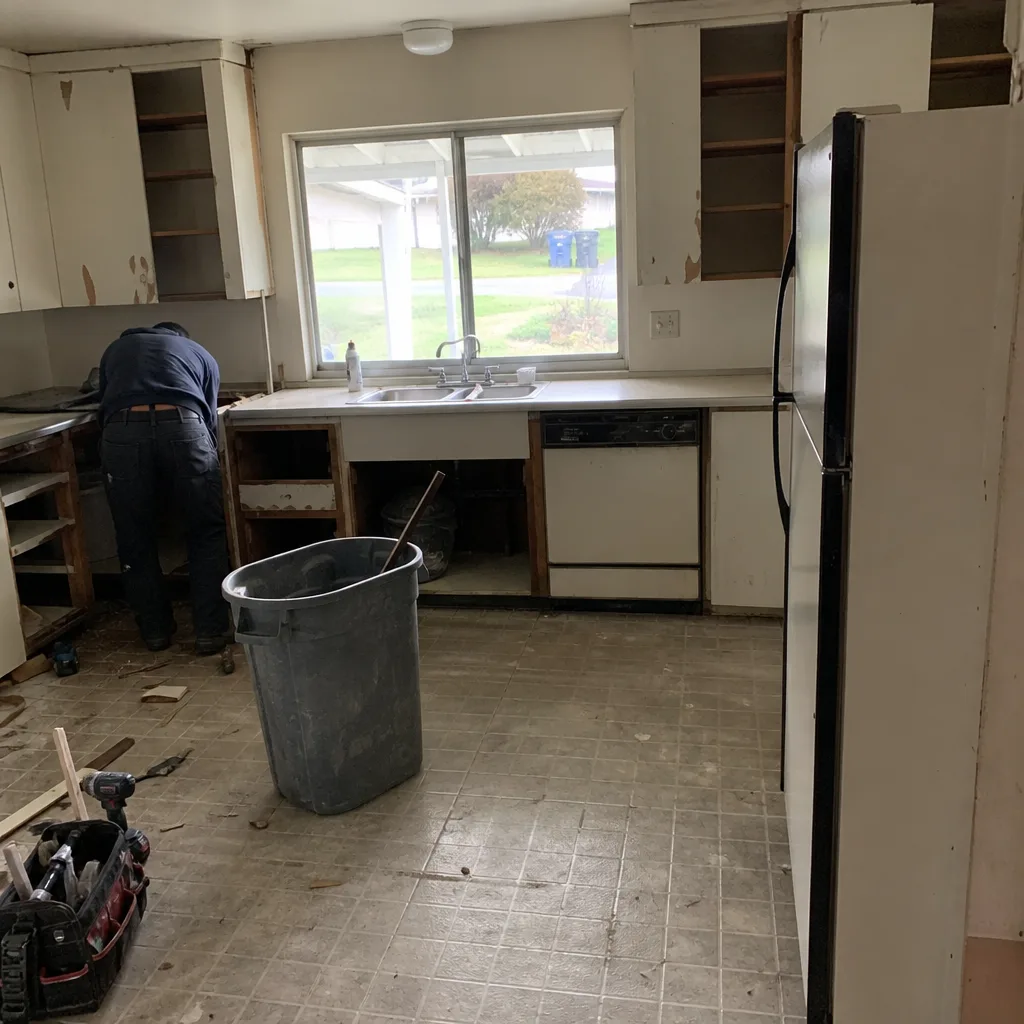 Before
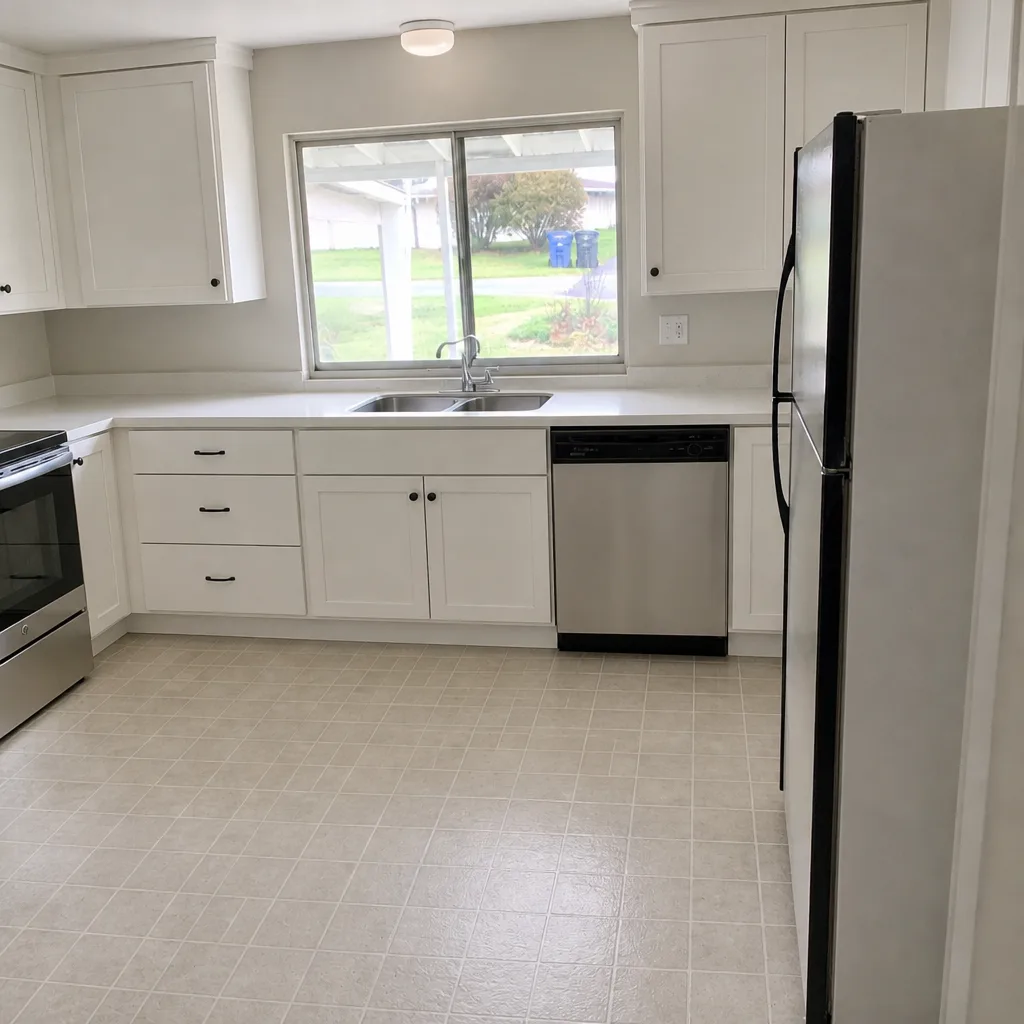 After
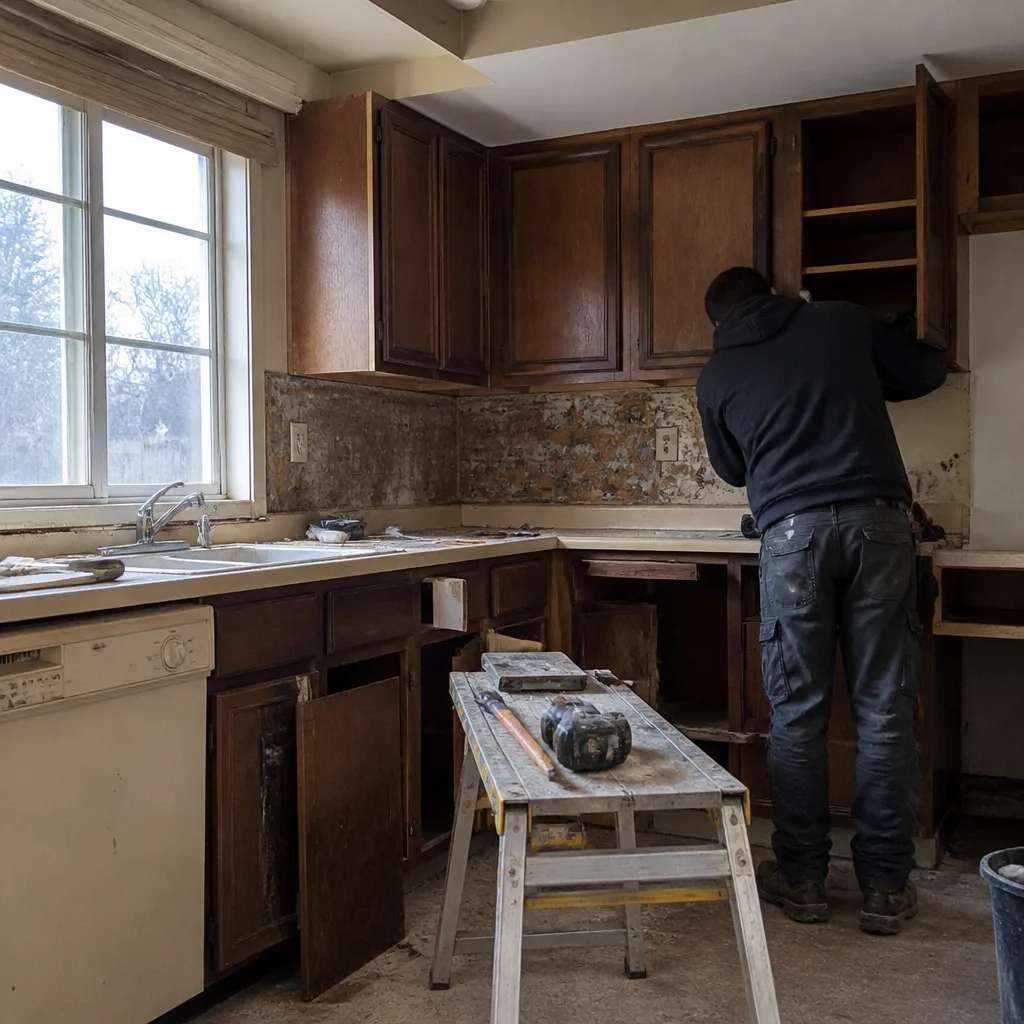 Before
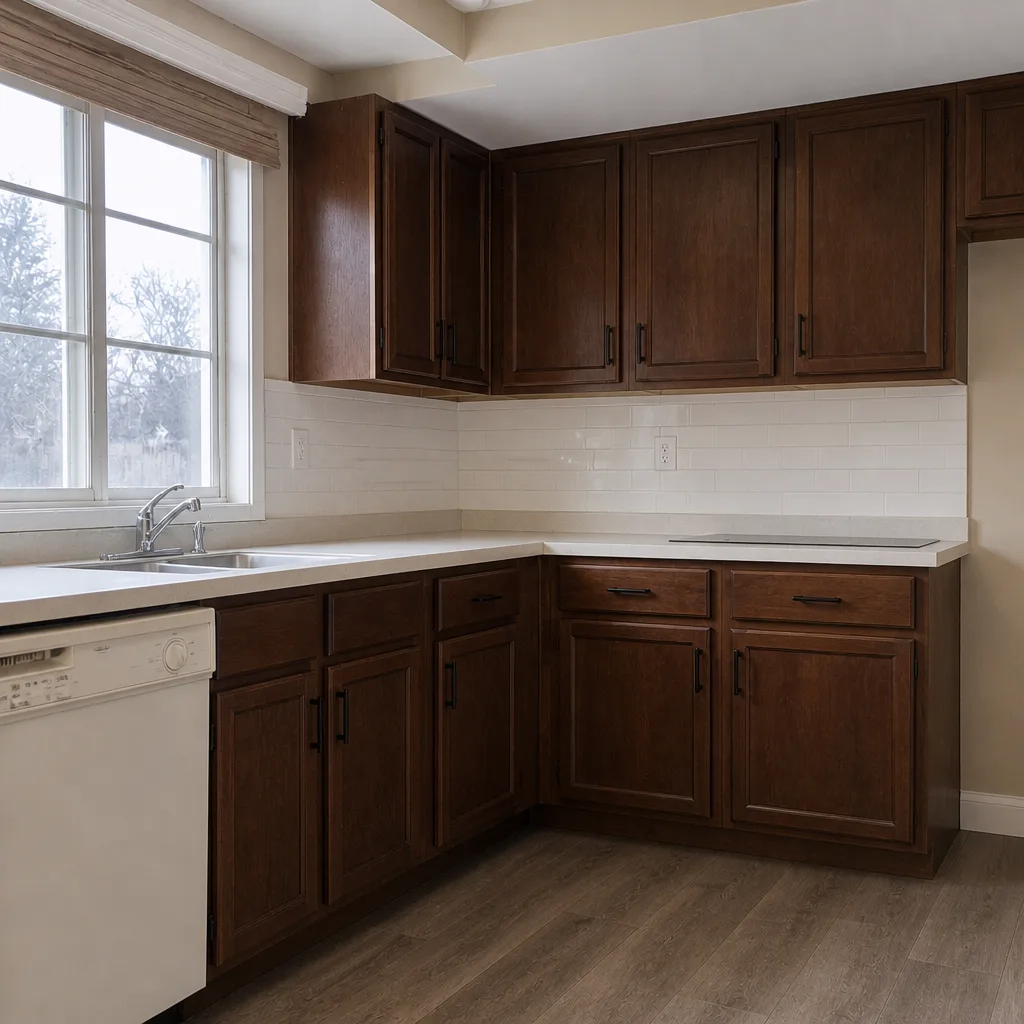 After
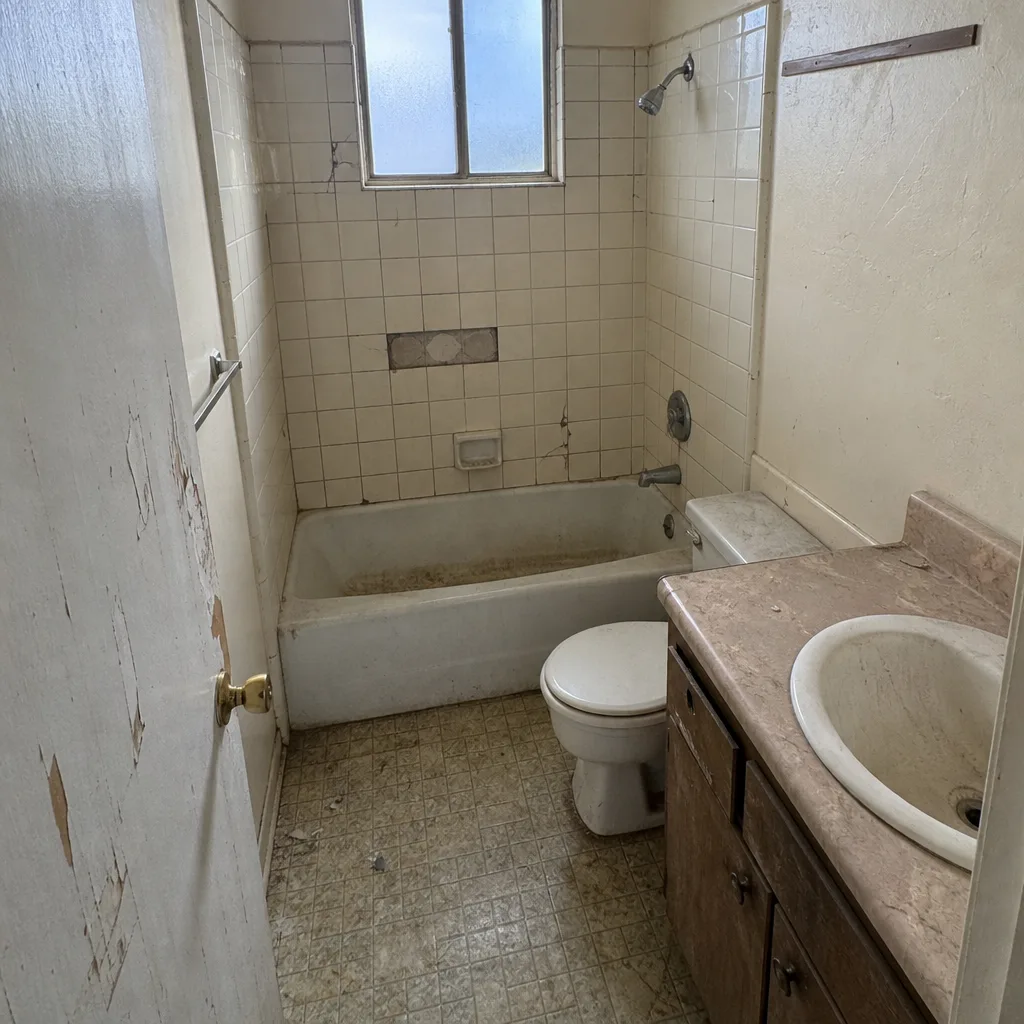 Before
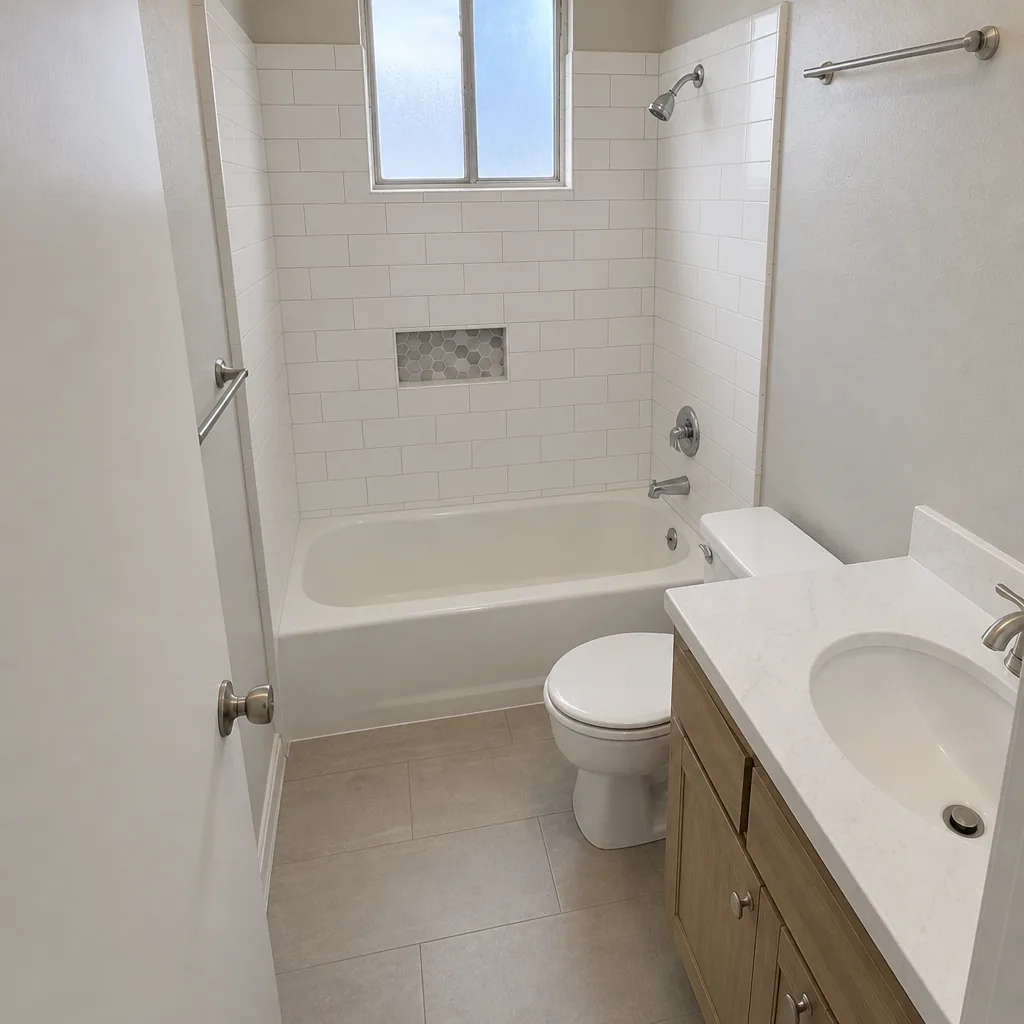 After
When to Call a Professional
Some findings on the Redmond checklist are yours to handle; others aren’t safe or legal to do yourself. Call a professional when a foundation crack is changing shape, when a roof leak has appeared over a ceiling, when a window seal is failing badly enough to stain interior trim, when electrical or gas work is involved, or when a plumbing issue goes beyond swapping a fixture. Call sooner if you’re planning a remodel and want the scope to reflect what the house actually needs. Also call if you’re not sure what column a task falls into. Our team at Remodeling Redmond understands this climate and these materials, we walk into an estimate with a plan rather than a pitch, and the estimate is free. Call (425) 675-1664. We answer 24/7. Fast dispatch from 7am to 7pm, Sunday through Friday.
Frequently Asked Questions
Twice a year is the practical minimum in Redmond, with the important inspection in late summer or early October before the wet season begins. Add a quick visual check after any major wind event. If you’re not comfortable getting on the roof, check it from the ground with binoculars and have a professional do the close inspection.
It shows up as stair-step cracks at foundation corners, doors and windows that stick in one season and free up in another, cracks at interior corners, and concrete that pulls away from the foundation. The key is comparing against how these looked six months ago, since change is the real signal. If anything is actively changing, get it assessed.
Yes. October is when you prep the envelope to survive months of rain, so a failure you catch then is a repair you make before it becomes water damage. Spring inspections mainly tell you what the winter did. Both matter, but October is the one that prevents damage rather than discovering it.
Yes. Tile movement joints, flooring expansion gaps, ventilation balance, and fresh caulk all have settling-in periods, and the first year is when you establish the care routine the new materials require. Check the movement joints and expansion gaps after the first seasonal humidity swing.
Anything involving the electrical system, gas lines, most plumbing, structural repairs, and construction work on the finished building. Under the state’s contractor registration rules (RCW 18.27), that kind of work must be handled by a registered contractor, and electrical and plumbing have their own licensing. Cleaning, washing, and inspecting are generally fine to do yourself.
Yes. We offer free estimates for Redmond homeowners and will lay out the scope, the materials, and the order of work before anything begins. Call (425) 675-1664 to schedule yours. We answer 24/7. Fast dispatch from 7am to 7pm, Sunday through Friday.
The Bottom Line

Redmond homes need a maintenance calendar built for this place: expansive clay ground that moves under the foundation, a long wet season that tests every seal on the envelope, and freeze-thaw cycles at elevation that find the weak points. Inspect the envelope in October, read the clay-soil signs twice a year at the corners and door frames, and follow material-specific care cycles for the exact siding, windows, decking, and tile on your house. After a remodel, keep the movement joints, expansion gaps, and ventilation in tune. And separate inspection from repair: you can do the inspection yourself, but call a professional for the licensed work. If the maintenance turns up something bigger, or you’re ready to plan a project around what the house actually needs, call (425) 675-1664 for a free estimate. We answer 24/7, with fast dispatch from 7am to 7pm, Sunday through Friday.
Written by the team at Remodeling Redmond.